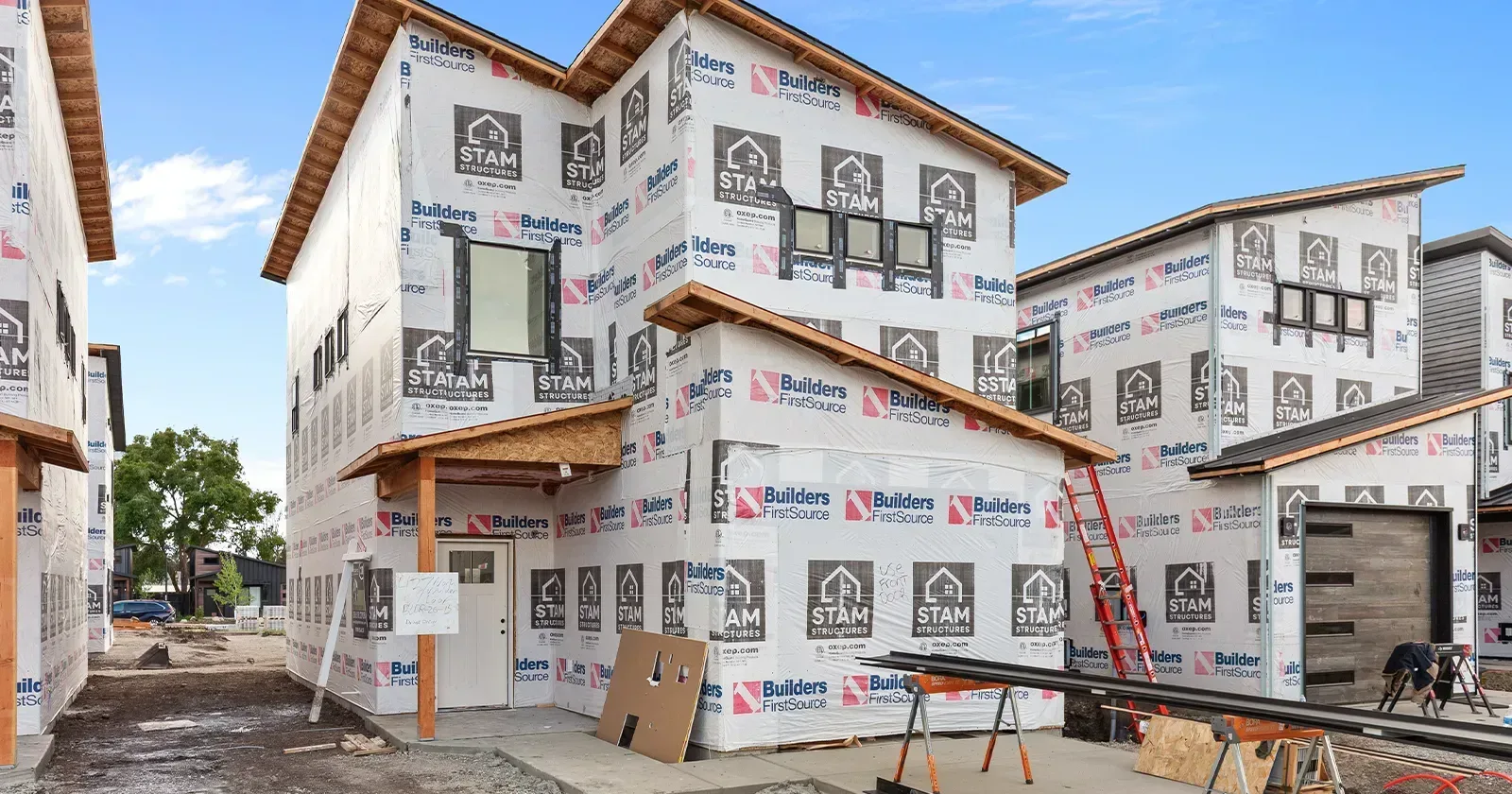
Asking “how to get a low cost house” usually gets you a dozen complicated answers: buy a fixer, move to a cheaper region, downsize, wait for a market crash. But there’s a simpler answer that’s right in front of you: a kit home.
Kit Culture kits start at $99,500. That’s a complete, precut, engineered house kit, not a foundation-only price or a bare shell. Add an optional preferred builder to assemble it, and you have a complete, permitted, move-in-ready home. Here’s how to make it happen.
The Direct Path: How to Get a Low Cost House
If you want to know how to get a low cost house, the first step is understanding what’s actually affordable in your market. A “cheap” house in one region looks nothing like a cheap house in another. Kit Culture is based in Idaho and Washington, where a kit plus builder gives you a complete home for a transparent, predictable price.
The reason kit homes work? They solve the cost equation by:
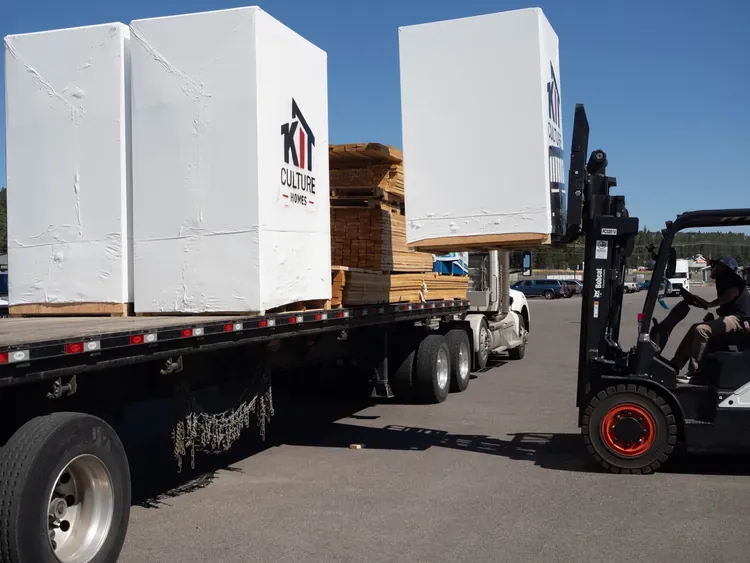
- Eliminating waste: Every piece is precut and labeled. Nothing gets thrown away or reordered.
- Removing surprises: Your builder knows exactly what’s in the kit, how long it takes, and what it costs.
- Locking the scope: No change orders, no mid-project cost overruns, no “I found mold behind the wall.”
- Keeping pricing transparent: You see the kit price and the builder labor price separately, both upfront.
That’s how you get a low cost house without compromising on quality or ending up with something unmortgageable.
Step 1: Choose Your Model and Size
Kit Culture offers three models. Here’s the kit price and the optional builder labor for each:
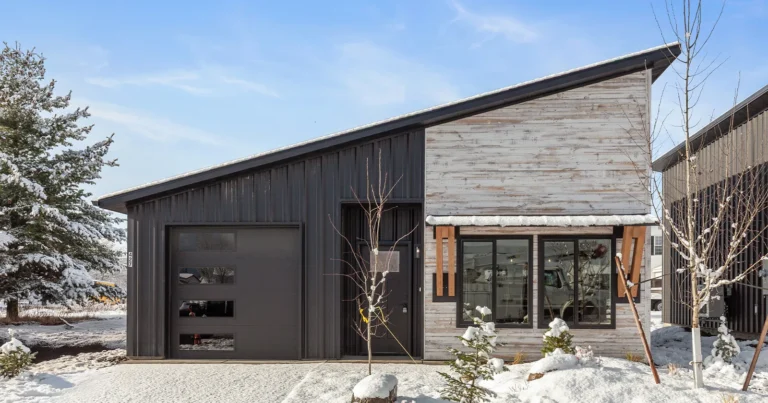
- Cottage Model: Kit $99,500 plus optional builder labor $100,000. Total installed $199,500. About 799 square feet, 2 bed, 1 bath. Ideal for a single person, couple, or first-time buyer.
- Modern Model: Kit $115,000 plus optional builder labor $110,000. Total installed $225,000. About 994 square feet, 3 bed, 2 bath. Efficient modern layout.
- Family Model: Kit $145,000 plus optional builder labor $120,000. Total installed $265,000. About 1,360 square feet, 3 bed, 2 bath. Full family home with space for everyone.
How to get a low cost house starts here: understand what a kit home is and which model fits your life.
Step 2: Get Connected with a Preferred Builder
Here’s where many people trying to figure out how to get a low cost house stumble: they try to coordinate everything themselves. That’s harder and more time-consuming than it needs to be.
Kit Culture has preferred builder partnerships in Idaho and Washington. When you work with a preferred builder like Directional Homes, you get:
- A builder who’s already built kit homes and knows the timeline
- A transparent labor price separate from the kit price, so you see both
- Professional coordination from site prep through final walk-through
- Support if any questions come up mid-build
- A builder accountable to you
The builder labor ($100,000 to $120,000 depending on model) is your shortcut for how to get a low cost house without becoming a part-time general contractor. If you’d rather hire your own contractor to assemble the kit, that works too.
Step 3: Prepare Your Lot
This is the one part of “how to get a low cost house” that sits outside the kit and builder pricing. You need a prepared lot with:
- Utilities run to the property line (electric, water, sewer or septic)
- A cleared, level, or graded building pad
- Access for construction vehicles
- A permitted and poured foundation
Your builder will evaluate the site and give you a quote for this work. Complex lots (steep terrain, rock, difficult soil) cost more, so it’s quoted individually before your kit is cut.
Step 4: Financing and Mortgages
One big advantage of kit homes in your quest for how to get a low cost house: lenders understand them. They’re built to local code, permanent, and on your land, so they finance like a traditional house.
You can get:
- Conventional mortgages (usually the best rates)
- Construction-to-permanent loans (borrow during building, convert to a regular mortgage after)
- FHA, VA, or USDA loans (depending on your eligibility)
The kit model makes lenders comfortable. They can see the plans, the kit cost, the builder labor cost, the timeline, and the builder credentials. There’s no guessing. This is a major reason why kit homes are the real answer to “how to get a low cost house” that stays affordable.
Step 5: The Timeline and What to Expect
Once your lot is ready and financing is in place, here’s the typical timeline:
- Weeks 1-4: Foundation prep and poured concrete. While that cures, your kit is being manufactured.
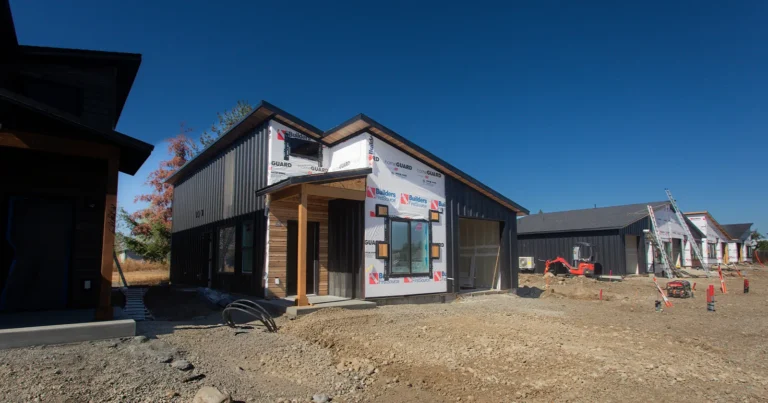
- Weeks 5-6: Kit delivery and framing assembly. This is the visible part, and walls go up fast.
- Weeks 7-12: Roof, weatherproofing, electrical, plumbing, HVAC rough-ins.
- Weeks 13-16: Insulation, drywall, interior finishes, flooring, cabinetry.
- Weeks 17-20: Final inspections, punch-list, and move-in.
How long it takes to build a kit home is usually 4 to 5 months from a prepared lot. That’s competitive with or faster than site-built construction, with more certainty.
Step 6: Upgrades and Modifications
The prices above assume standard Kit Culture plans and specifications. But “how to get a low cost house” doesn’t mean “no choices.”
You can:
- Add square footage (extend the plan, add a garage, add a shop)
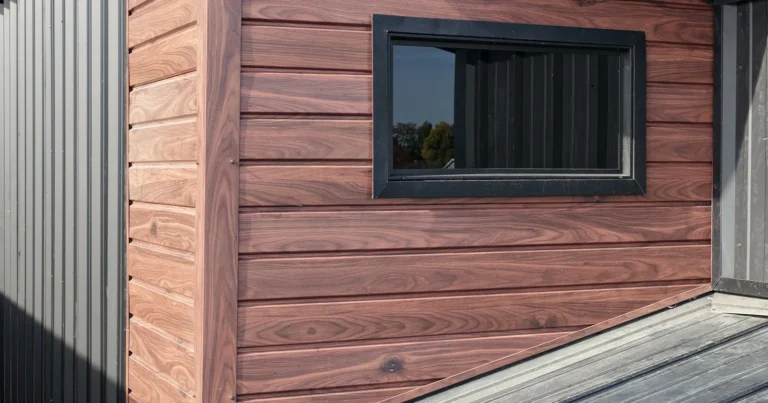
- Upgrade finishes (flooring, countertops, fixtures, cabinetry)
- Change the layout (move walls, add an office, reconfigure bedrooms)
- Add features (covered porches, decks, mudrooms)
All of that is priced before construction. You know the cost of changes upfront, so you can make the trade-offs that fit your budget.
FAQ: How to Get a Low Cost House
What’s the total cost of a Kit Culture home?
It’s the kit price plus optional builder labor. The Cottage is $99,500 for the kit plus $100,000 for builder labor, a total of $199,500 installed. You still prepare your lot (foundation, utilities, grading) separately, but the house itself is included.
Can I build it myself and save money?
You can do some of the finish work yourself, but most of the build (framing, electrical, plumbing, HVAC) has to go to licensed trades. That’s why working with a preferred builder is often the more efficient path. They move fast and do it right.
What’s the lowest cost way to get into a Kit Culture home?
The Cottage kit at $99,500 is the entry point. At about 799 square feet, it’s the smallest complete model. If you need something smaller, you’d be looking at an ADU or a custom design, which changes the equation.
Is there financing available for a low cost house?
Absolutely. Kit homes finance the same way as any site-built house: conventional mortgages, construction loans, FHA, VA, USDA. Lenders like kit homes because the cost and timeline are predictable.
How does location affect the price?
The kit prices are set, and builder labor is based on Idaho and Washington. Site work varies by land, labor rates, and permitting. Building a kit home in Idaho or Washington follows the pricing above, but other regions may differ.
Bottom Line: How to Actually Get a Low Cost House
The answer to “how to get a low cost house” isn’t complicated. You pick a kit that fits your needs, work with a preferred builder who knows the process (or your own contractor), prepare your lot, finance it like a regular home, and build fast with a locked-in budget.
With the Cottage at $99,500 for the kit and $100,000 for optional builder labor, you get a complete, permitted home for $199,500 with transparent pricing at every step.
Ready to explore kit homes for sale? Give us a call. We’ll walk you through the real numbers, your options, and what a low cost house looks like when you own it.