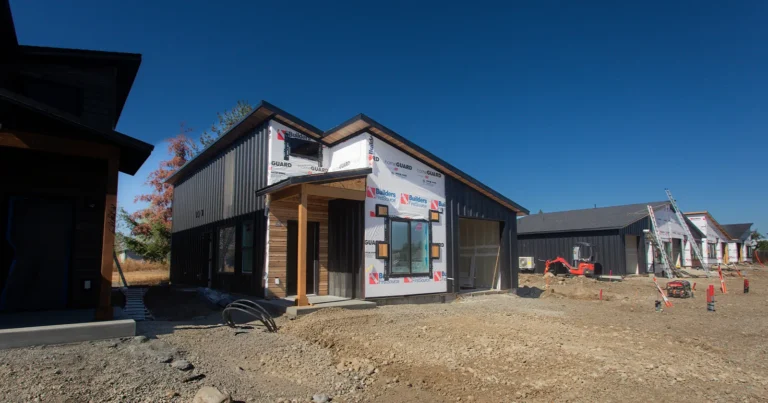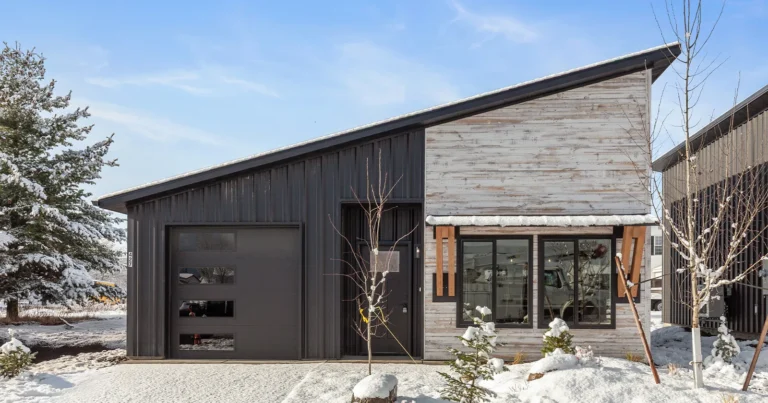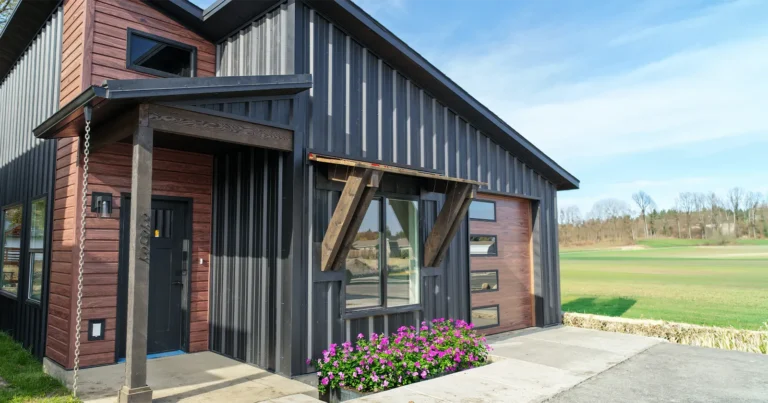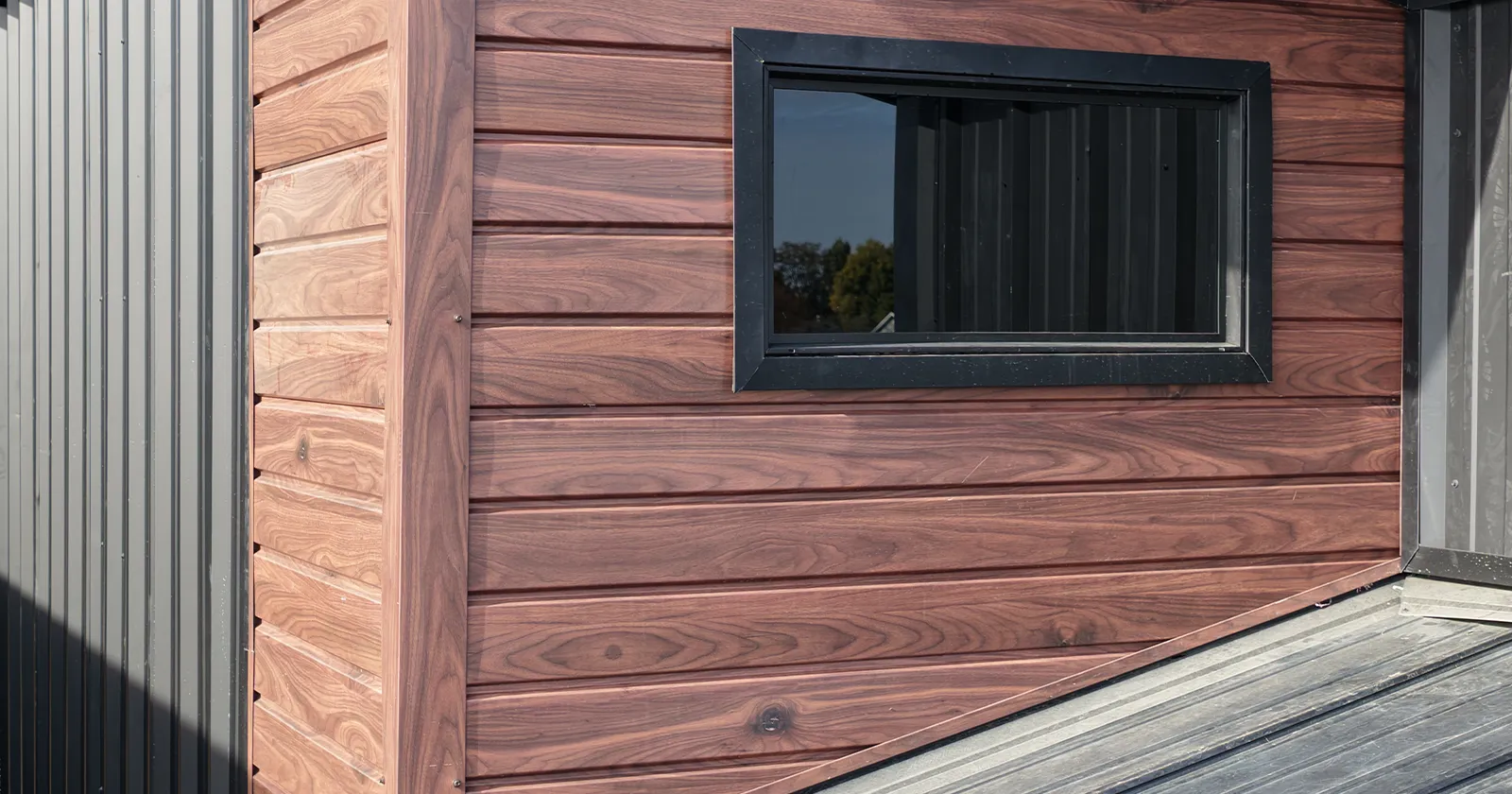
Kit home quality is one of the most common things people want to understand before they make a decision, and it is a fair question to ask. When you are spending a significant amount of money on a home, you want to know that what shows up on your property is going to hold up for decades, meet your local building code, and perform just as well as anything a traditional builder would put together.
The short answer is that Kit Culture homes are built to the same standards as any new stick-built home in your area. Here is the longer explanation of how that actually works and what it means for you.
What “Kit Home Quality” Actually Means
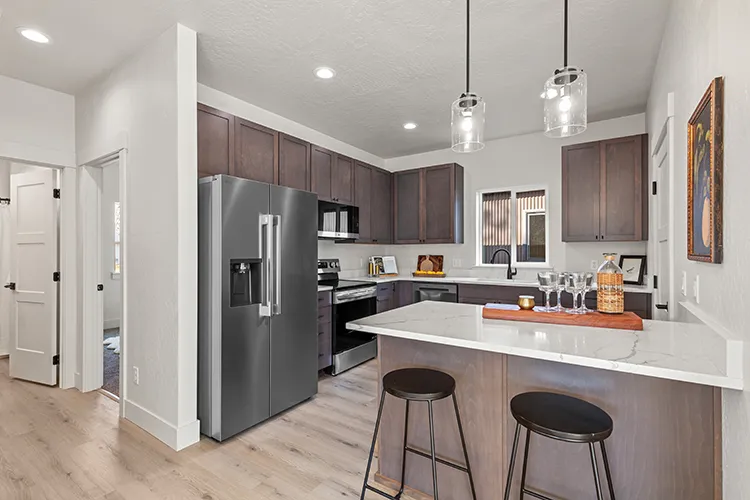
There is sometimes a perception that kit homes are a shortcut or a cheaper alternative that comes with compromises on quality. That is not how Kit Culture works.
Our kits use standard framing lumber, precut to exact dimensions at the factory. The framing system is the same structural approach used in stick-built construction across Idaho and Washington. What changes is the process, not the materials. Instead of a framing crew measuring, cutting, and fitting lumber on your job site, all of that precision work happens in a controlled manufacturing environment before anything leaves the building.
The result is framing components that fit together accurately every time, with less waste, fewer measurement errors, and a faster and easier assembly process for your contractor on site.
Code Compliance: What It Means and Why It Matters
Every Kit Culture home is designed to meet the building code of the location where it will be built. This is not a marketing claim, it is how the process works.
When you place an order, we use your build address to determine the applicable local code requirements. The insulation, windows, and other components in your kit are specified to meet or exceed those requirements. If you are building in Post Falls, your kit meets Idaho code. If you are building outside Spokane, it meets Washington code.
This matters for a few practical reasons.
- Your kit will pass permit review. Local building departments are reviewing your plans and materials against local code. Because your kit is specified to that code from the start, you are not scrambling to upgrade materials or revise specifications after the fact.
- Your home performs the same as a new build in your area. The insulation and window specifications that meet local code are the same specifications a local builder would use for a comparable new home. You are not getting a lesser product.
- There are no surprises during inspection. Because the engineering and materials are already code-matched, contractors who have built Kit Culture homes in Idaho and Washington report clean inspections without requiring modifications.
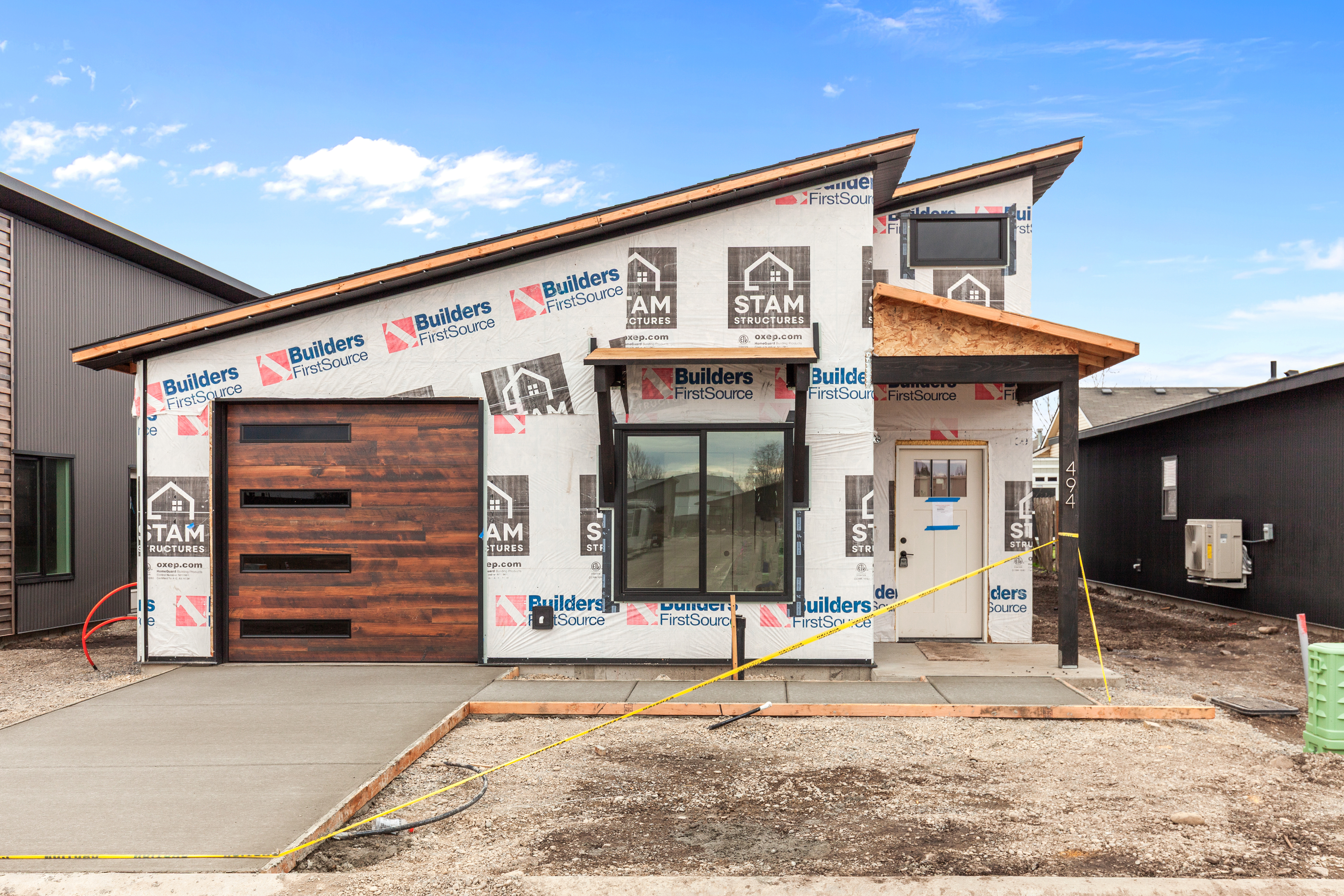
The Framing System
Framing is the structural backbone of any home, and it is where kit homes sometimes raise the most questions. Here is how Kit Culture approaches it.
Precut Lumber, Not Pre-Assembled Panels
Kit Culture kits use precut framing lumber. Every piece is cut to the exact length required for your specific floor plan before it leaves our facility. When the materials arrive on your site, your contractor is working with components that are ready to assemble, not raw lumber that still needs to be measured and cut.
This is different from a panelized home, where wall sections are pre-assembled into large panels at the factory, or a modular home, where entire rooms are built and shipped as finished units. A Kit Culture home uses conventional framing methods with the precision work done in advance. Your contractor builds the home the same way they would any other stick-built structure, except the prep work is already done.
Why Precut Framing Holds Up
Precut framing performs identically to on-site framing when the lumber is the same grade and the cuts are accurate. Both approaches produce the same structural result when assembled correctly.
Because our cuts are made in a controlled manufacturing environment rather than on a job site, dimensional accuracy is consistent. Pieces fit as intended, which reduces gaps, misalignments, and the small errors that accumulate when everything is cut by hand in varying field conditions.
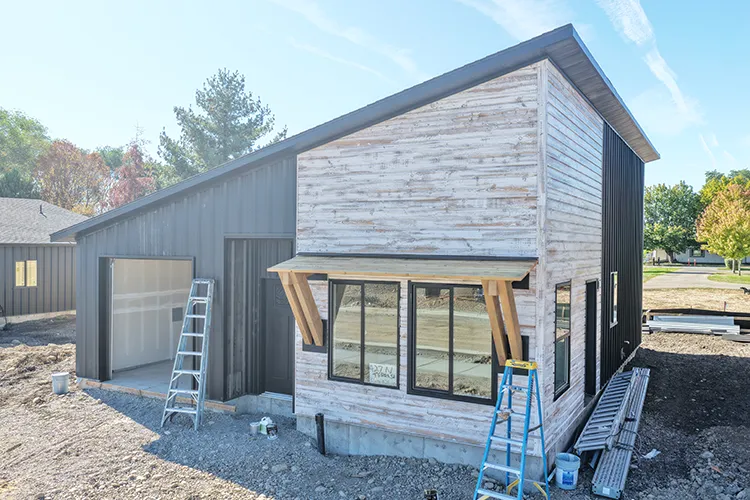
Insulation and Windows: On Par With a New Build
Two of the most common quality comparisons people make between kit homes and traditional construction come down to insulation and windows. Here is how Kit Culture handles both.
Insulation
Your kit includes an insulation package that meets the building code for your specific location. Building codes set minimum R-value requirements for walls, ceilings, and floors based on the climate zone. Idaho and Washington have different requirements depending on the county, and your kit is matched to the applicable requirements for your address.
In practical terms, this means your home will have the same thermal performance as a newly built stick-built home in the same area. It is not a generic insulation package. It is specified to your location.
Windows
Kit Culture homes include Milgard windows. Milgard is a well-established window manufacturer widely used in new residential construction across the Pacific Northwest. Their windows are specified to meet the energy performance requirements of Idaho and Washington building codes, including U-factor and solar heat gain requirements for the relevant climate zones.
If you walked through a newly built home in Coeur d’Alene or Spokane and compared the windows to what comes in a Kit Culture kit, you would be looking at the same quality tier. The specification is not a downgrade from what a traditional builder would use.
How Kit Culture Homes Perform in the Idaho and Washington Market

Kit Culture homes have been built by licensed contractors in Idaho and Washington. Those contractors build to local code, pull local permits, and go through local inspections. The fact that our homes are passing those inspections and completing without required material modifications tells you something meaningful about whether the quality holds up in practice.
Local contractors who work with our kits are not learning a new system from scratch. They are using familiar framing methods with materials that arrive prepared. The structural result is a home that meets the same standards as anything they would build conventionally.
Quality Control During Manufacturing

Before any kit ships, it goes through a quality check by our in-house team. The goal is to catch any issues with component dimensions, material completeness, or packaging before the delivery truck leaves our facility. You are not relying on a contractor to identify missing or incorrect components once everything is already on your job site.
This is not a third-party certified inspection process. It is our internal standard for making sure what arrives on your property matches what was ordered and is ready for your contractor to work with.
Material Warranties
The materials in a Kit Culture home carry the same manufacturer warranties as they would in any other new construction project. Windows, roofing, appliances, flooring, and other components are warranted by their respective manufacturers.
This is the same situation you would be in with a traditional builder. A stick-built home does not carry a single comprehensive warranty that covers every material. Individual components carry warranties from the manufacturers who made them. Kit Culture works the same way.
If you have questions about the warranty coverage on a specific component, we can point you to the manufacturer’s documentation before you place your order.
Kit Culture vs. Stick-Built: A Quick Comparison
Here is a side-by-side look at how Kit Culture construction compares to traditional stick-built construction on the factors buyers care most about.
| Aspect | Kit Culture | Stick-Built |
| Framing materials | Standard framing lumber, precut to spec | Standard framing lumber, cut on site |
| Code compliance | Specified to your local code at order | Builder specifies to local code |
| Insulation | Meets local code R-value requirements | Meets local code R-value requirements |
| Windows | Milgard windows, code-matched to your area | Builder-selected, varies by project |
| Material warranties | Manufacturer warranties on all components | Manufacturer warranties on all components |
| Quality check | In-house review before shipping | Varies by builder |
| Permit readiness | Engineered for local permit requirements | Architect or designer prepares plans |
The Bottom Line on Kit Home Quality
Kit home quality is not a compromise. The framing is standard lumber, precut for accuracy. The insulation meets the code for your specific location. The windows are the same quality used in new residential construction across Idaho and Washington. The materials carry manufacturer warranties, just like any other new build.
What you are getting with a Kit Culture home is a home built to the same standard as a comparable stick-built home in your area, delivered in a way that is faster, more predictable, and more cost-efficient for you and your contractor.
If you have specific questions about how a Kit Culture home is specified for your area or want to dig into the details before you commit, we are happy to walk through it with you.