If you’re searching for tiny home builders, you’re probably weighing two things at once: how small you can really live, and who should build it. The honest answer is that “tiny home builders” covers very different companies. Some build houses on trailers, some build tiny houses on foundations, and some (like us) sell small kit homes that land just above the “tiny” line. Which one fits depends far more on your lot, your local rules, and how long you plan to live there than on square footage.
Here’s how the options break down, what to ask any builder, and when a small kit home makes more sense than a true tiny house.
What tiny home builders really build
Most companies that call themselves tiny home builders fall into one of three groups. They don’t permit, finance, or age the same way, so it’s worth knowing which one you’re talking to before you compare prices.
Tiny houses on wheels
This is what most people picture. The house is built on a trailer chassis in a shop and towed to your site. That mobility is the appeal, but it’s also the catch: many jurisdictions treat a house on wheels as a vehicle or RV rather than a dwelling, which limits where you can live in it full time. Financing usually looks more like an RV or personal loan than a mortgage.
Tiny houses on a foundation
These are built on a permanent foundation and permitted as a house. The model building code that most states use, the International Residential Code, has an optional tiny house appendix (IRC Appendix Q, now AQ) for dwellings of 400 square feet or less, not counting lofts. It relaxes rules on things like loft ceiling heights and compact stairs. It only applies where a state or city has adopted it, so ask your building department before you assume it does.
Small kit homes
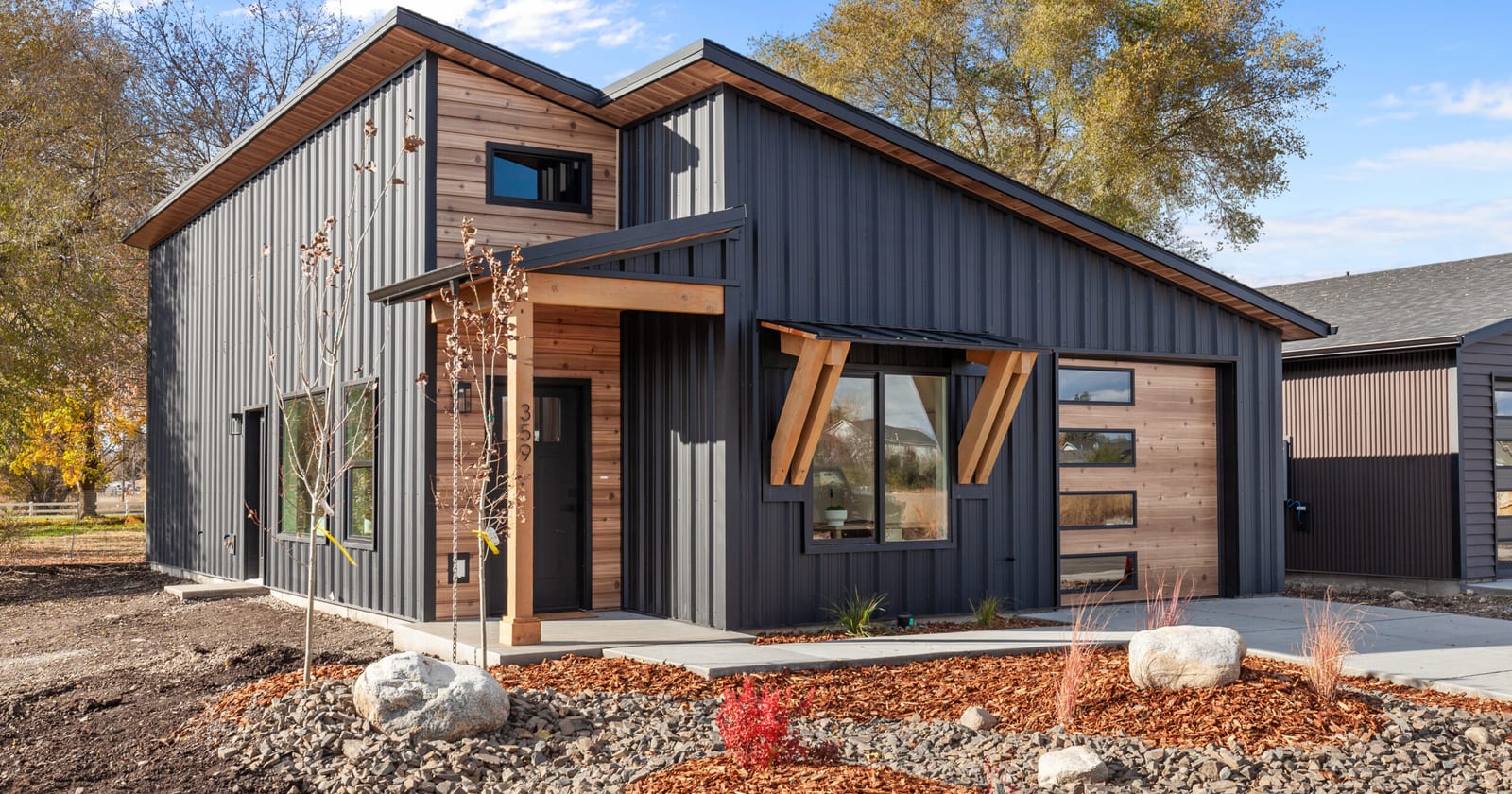
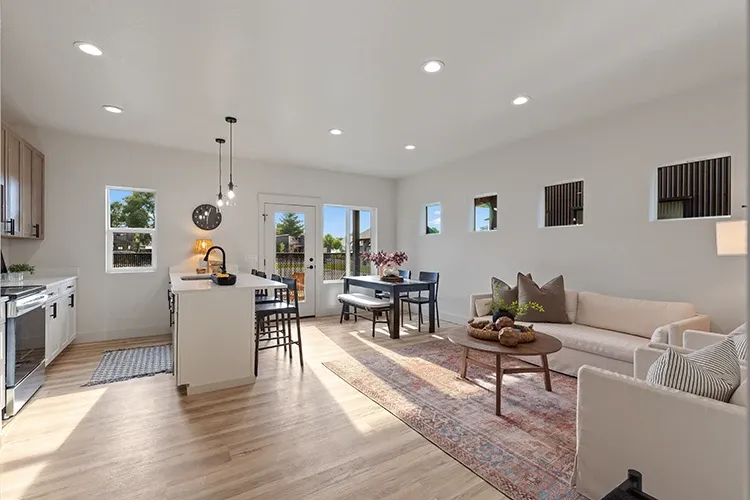
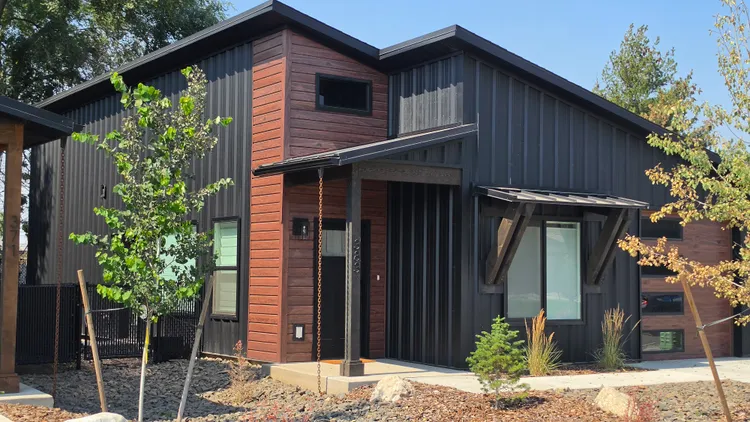
A kit company ships a precut, engineered package with stamped plans, and the house gets built on a permanent foundation like any site-built home. Kit homes aren’t tiny under the code definition. Our smallest model, the Cottage, comes in just under 800 square feet. But they solve the same problem tiny house buyers are trying to solve: a smaller, simpler, more affordable home. If you want to see how small kits can go, our guide to micro home kits walks through what fits.
How to choose between tiny home builders
Whatever type you lean toward, the same questions separate a good builder from a frustrating one.
Can you legally live in it where you want to put it?
Start here, not with floor plans. Call your city or county and ask whether the unit you’re considering can be a primary residence or an ADU on your lot, and under which code. In Idaho, the state’s newer ADU rules have opened up a lot of backyards. Our breakdown of Idaho’s ADU law (SB 1354) covers what changed. A builder who brushes off this question is a red flag.
What does the price include?
Tiny home quotes vary wildly in what they cover. Ask whether the number includes delivery, the foundation or trailer setup, utility hookups, permits, and finishes. On a foundation build, site work is often the biggest line item nobody mentions. Our guide to kit home foundations and site prep explains what that work involves.
How will you pay for it?
A house on a permanent foundation can usually be financed and insured like any other house. A house on wheels often can’t. If you need a construction loan or mortgage, confirm it with a lender before you sign with a builder. Here’s how kit home financing works if you go the foundation route.
Can they show you finished work?
Photos are fine. A finished home you can walk through is better. Ask for references from buyers who’ve lived in their homes through a full winter, especially in the Inland Northwest. The same vetting applies to anyone building a backyard unit, and our guide to ADU builders in Idaho and Washington lists the questions worth asking on the first call.
When a small kit home fits better than a tiny house
A true tiny house is a great fit if you want mobility, you’re living alone, and your local rules allow it. A small kit home tends to fit better when:
-
You want a permanent home or ADU that permits, finances, and resells like a regular house.
-
You need a real bedroom, a full bathroom, and a kitchen you’ll cook in, not a loft and a galley.
-
You’re housing a parent, an adult kid, or a renter long term.
-
You’re building in a climate with real winters and want the house built to local energy code.
On that last point, a Kit Culture home uses the same parts you’d expect in new construction: Milgard Low-E windows, a mini-split heat pump, and batt insulation matched to local code. If you’re comparing sizes, our guide to small prefab house kits under 800 square feet shows what you gain with a slightly bigger footprint.
FAQ
Are tiny homes cheaper than kit homes?
Sometimes the sticker price is lower, but compare the full cost. A tiny house on wheels may skip foundation costs, but it can be harder to finance and may not count as a legal dwelling where you live. A kit home costs more up front because it’s a bigger, permanent house, and it’s treated like one by lenders and appraisers.
Can I put a tiny home in my backyard in Idaho or Washington?
It depends on your city’s rules and whether the unit is on a foundation or wheels. Foundation-built units are much more likely to qualify as an ADU. Check with your local building department before you buy anything.
Is Kit Culture a tiny home builder?
Not in the strict sense. We don’t build houses on wheels, and our homes are larger than the 400 square foot code definition. We sell small kit homes for permanent foundations, which is what a lot of tiny home shoppers end up wanting once they’ve worked through permitting and financing.
The bottom line
Tiny home builders build three different things: houses on wheels, tiny houses on foundations, and small kit homes. Figure out what your lot and your local rules allow first, then pick the builder. If a permanent small home is where you land, give us a call and we’ll walk you through what fits your lot.