A multigenerational home is one where two or more adult generations live together: parents and grown kids, or grandparents, parents, and grandchildren. It’s more common than many people think. Pew Research Center found that 59.7 million people in the U.S., about 18% of the population, lived in multigenerational households in March 2021.
The hard part isn’t deciding to live together. It’s giving everyone enough privacy that it still works a few years in. Here’s how the main options compare, and why a backyard ADU is often the easiest way to give each generation its own front door.
Why families choose a multigenerational home
In Pew’s survey of adults in these households, money was the top reason. Caregiving came next, for an aging parent or for young kids. Many families also simply like being close.
Whatever the reason, the setup has to work for everyone, not just the person who suggested it.
Three ways to set up a multigenerational home
One bigger house
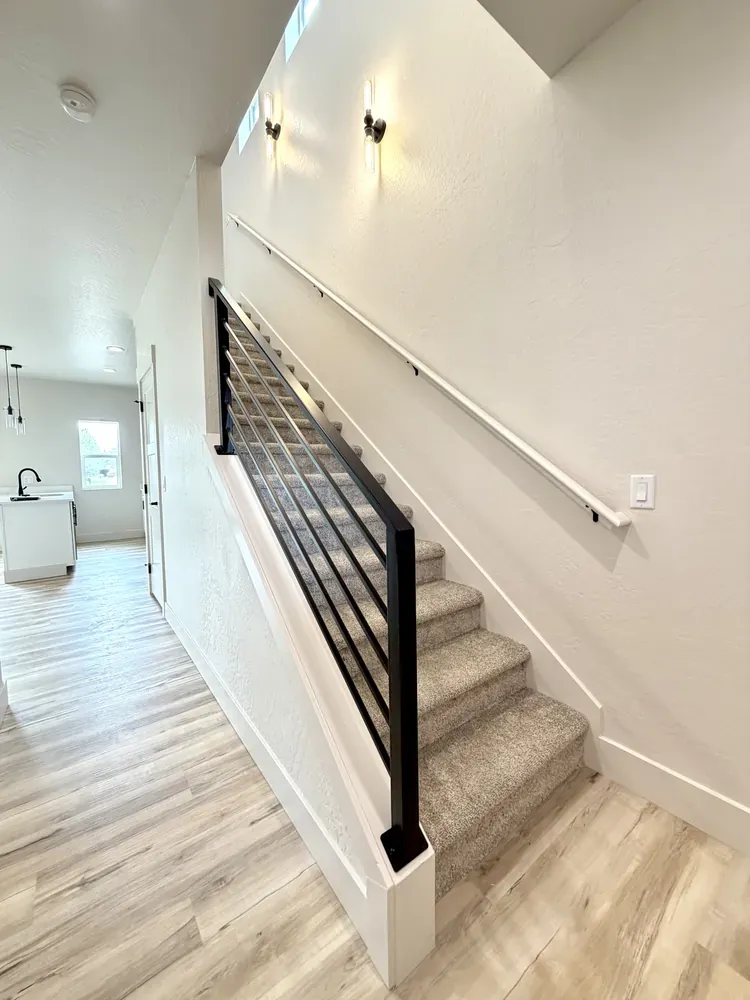
Everyone lives under one roof, usually with a bedroom suite for the second generation. It’s the simplest to build and finance, but privacy is limited because everyone shares a kitchen, laundry, and front door. If you go this route, a two-story layout helps separate sleeping areas. Our page on the Family Size two-story kit home shows what that looks like.
An attached suite
An addition or a converted basement with its own bedroom, bath, and sometimes a kitchenette. It’s more private than a shared house, but you still share walls and often an entrance. Our guide to the mother-in-law suite compares conversions, additions, and detached units.
A detached backyard ADU
A separate small home on the same lot, with its own kitchen, bath, and entrance. It’s the most private option, and it’s the one where each household can really keep its own routine.
Why a backyard ADU works for a multigenerational home
-
Real privacy. Separate doors, separate kitchens, separate schedules.
-
Close enough to help. A parent who needs a hand is a short walk away, not a drive.
-
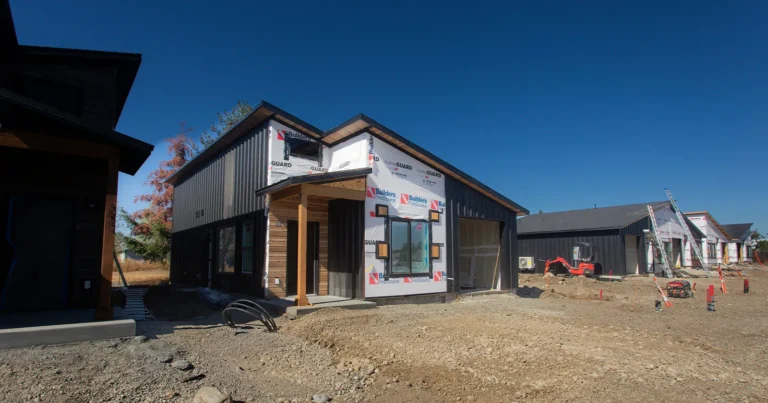
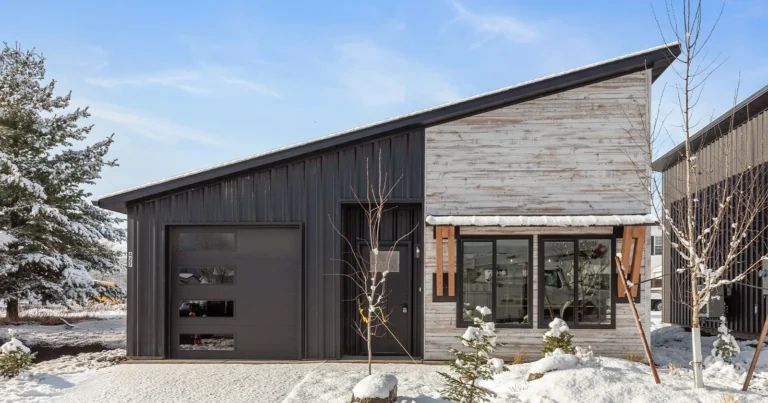
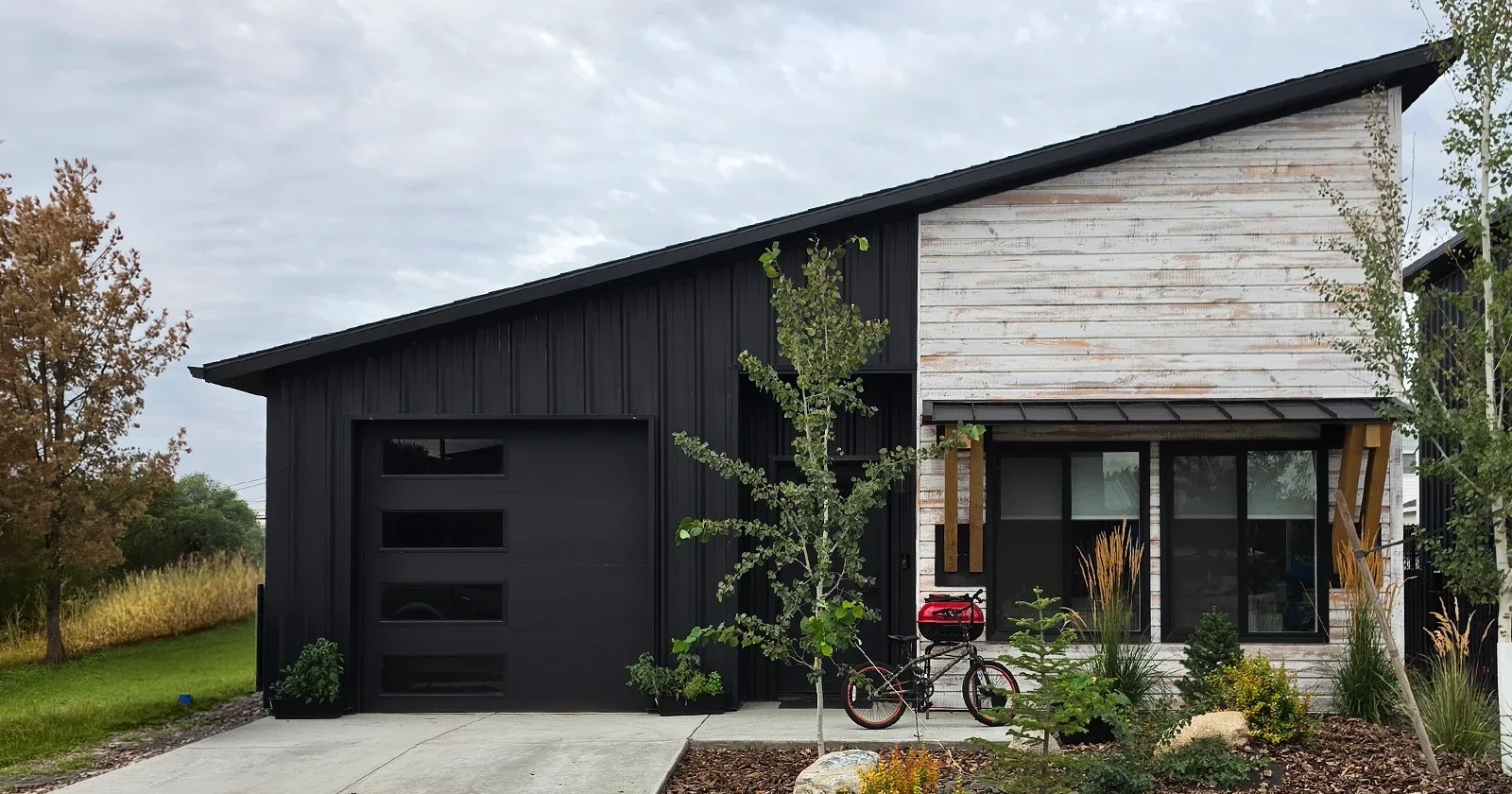
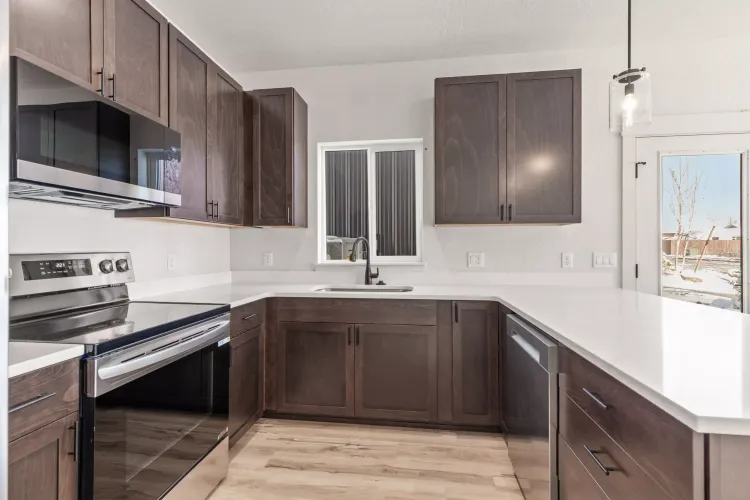
Single-story living. Kit Culture’s 799-square-foot Cottage is one level with two bedrooms, a full kitchen, and a bath, which suits aging parents and grown kids alike.
-
Flexible later. When the family’s needs change, the ADU can become a guest house, an office, or a rental where local rules allow.
We’ve written in more detail about an ADU for aging parents and an ADU for adult children.
What to settle before you build
-
Money and ownership. Who pays for the build, who owns what, and what happens if someone moves out or the house sells? Put it in writing.
-
House rules. Shared meals, childcare, visitors, and noise are easier to agree on before move-in day.
-
Accessibility. If a parent will age in place, plan for a step-free entry, wide doorways, and a bathroom that’ll work with a walker.
-
Local rules. Check what your city allows. Our guide to Idaho’s ADU law, SB 1354 is a good starting point in Idaho.
Multigenerational home FAQ
Is a multigenerational home cheaper?
It can be, because households share land, utilities, and some costs. But building an ADU or a bigger house is a real expense, so price the whole project before you count on savings.
Does an ADU for family add value to the property?
Often, if it’s permitted and built on a permanent foundation. Our guide on whether an ADU adds value to a home explains how appraisers look at one.
How much space does a parent need?
Enough for a real bedroom, a full bath, and a kitchen they’ll use. Smaller can work, but a unit that feels like a home is easier to live in for years.
The bottom line
A multigenerational home works best when every generation has its own space. A bigger house is simplest, an attached suite adds some privacy, and a backyard ADU gives each household its own front door. Settle the money, the rules, and the access questions first, then pick the setup that fits your family and your lot.
If you’re planning space for family on a lot in Idaho or eastern Washington, give us a call.