ADU construction comes down to one big choice: how the unit gets built. You can build it on site from scratch, build it from a precut kit, set a factory-built modular unit, or place a manufactured home. Each one permits, finances, and fits your lot differently. Here’s the honest comparison, so you can pick the method before you pick a floor plan.
If you want the step-by-step order of an ADU project instead, from permits to final inspection, our ADU build guide covers that. This article is about the methods.
The Four Methods of ADU Construction
Stick-built (traditional site construction)
A contractor buys lumber and frames the unit on your lot from plans. It’s the most flexible option: any size, any shape, any finish your city allows. It’s also usually the slowest, because every board gets measured and cut on site and the schedule depends on the crew’s availability and the weather.
Kit (precut components)
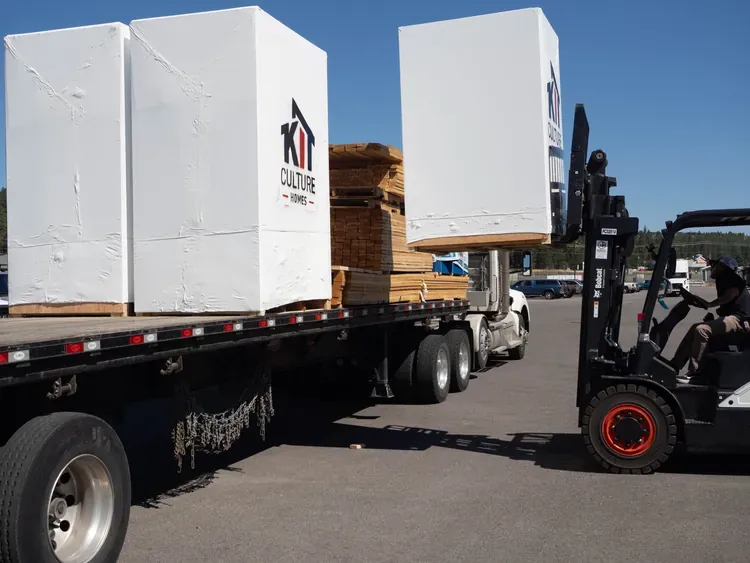
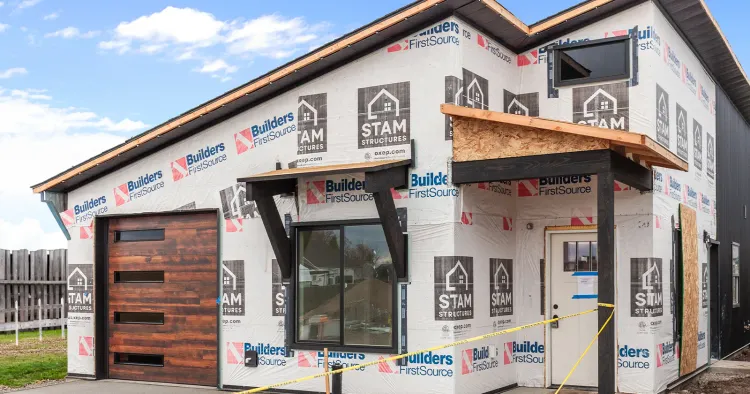
A kit ADU arrives as precut, engineered parts with stamped plans, then gets built on a permanent foundation, just like a stick-built unit. The difference is that the design and cutting happen before delivery, so the shell goes up faster and with less waste on site. Kit Culture’s kits are designed for Idaho and Washington codes. Our guide to what comes in an ADU kit spells out what’s in the package and what you still buy.
Modular (factory-built boxes)
A modular ADU is built as finished sections in a factory, trucked to your lot, and set with a crane. Most of the work happens indoors, which helps the schedule. The catch is access. Backyard lots often can’t fit a truck and crane, and a narrow side yard can rule modular out entirely.
Manufactured (HUD code)
Manufactured homes are built to a federal code on a steel chassis rather than to the local building code. Some cities treat them differently from other ADUs, and lending can work differently too, so check with your planning department first. Our comparison of a kit home vs. a manufactured home explains the differences.
How the Methods Compare
|
Method |
Where it’s built |
Foundation |
Lot access needed |
Design flexibility |
|---|---|---|---|---|
|
Stick-built |
On site |
Permanent |
Normal construction access |
Highest |
|
Kit |
Precut off site, built on site |
Permanent |
Normal construction access |
Set models |
|
Modular |
In a factory |
Permanent |
Room for a truck and crane |
Set models |
|
Manufactured |
In a factory |
Varies |
Room to deliver a full unit |
Set models |
Speed is the question we hear most. A kit or modular unit speeds up the building stage, but approvals and site work take the same time whichever method you choose. Our piece on how fast you can build an ADU compares kit and traditional timelines side by side.
What Every ADU Construction Method Shares
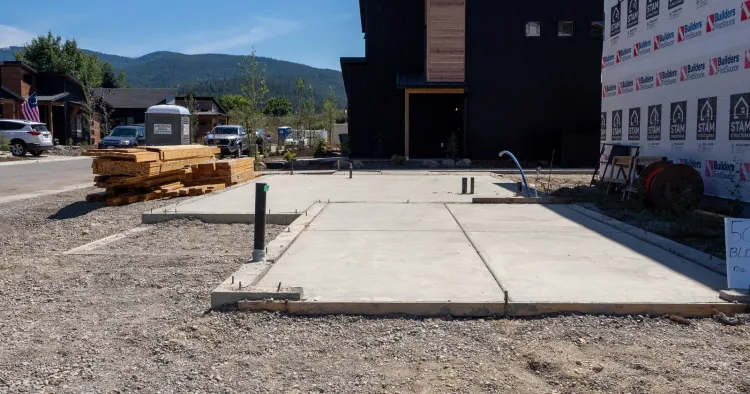
No method skips the basics. Every one needs your city’s approval, a site plan, utilities run to the unit, and inspections. Every permanent ADU needs a foundation, and that’s often where surprise costs show up.
Building codes in both states are based on model codes from the International Code Council, with local amendments on top. Insulation is worth a real conversation too, since North Idaho and eastern Washington winters are hard on a small building. The Department of Energy’s insulation guidance is a good primer.
Which Method Fits Your Lot?
-
Tight backyard access: stick-built or kit, since both arrive as materials, not finished boxes.
-
Unusual shape or a custom design: stick-built.
-
Want a proven plan and a faster shell: kit or modular, if your lot can take a crane.
-
Lowest sticker price: manufactured, if your city allows it as an ADU and you’re comfortable with how it finances.
Who builds it matters as much as how. Our guide to choosing an ADU builder in Idaho and Washington covers what to ask on the first call.
FAQ: ADU Construction
What’s the fastest type of ADU construction?
Kit and modular speed up the build itself, but your permit timeline usually decides when you’re done. Start the city conversation early.
Is a kit ADU the same as a modular ADU?
No. A kit arrives as precut parts and is built on your foundation. A modular unit arrives as finished sections set by crane.
Can I do some of the ADU construction myself?
With a kit or stick-built unit, owners often take on finish work like painting, flooring, and trim. Electrical, plumbing, and structural work need licensed trades and inspections.
The Bottom Line
ADU construction comes in four methods, and your lot narrows the choice faster than anything else. Access, your city’s rules, and how much design freedom you want will point you to one. If you’d like help figuring out what fits your backyard, give us a call.