ADU for aging parents is one of the most practical housing moves a family can make right now in Idaho and Washington. Most families don’t start thinking about this until there’s a reason to, a difficult doctor’s appointment, a phone call that changes things. By then, the options feel narrower than they should be.
Assisted living in the Coeur d’Alene area runs $4,675 to $7,100 per month. That’s $56,000 to $85,000 a year. A Kit Culture ADU starting at $69,000 puts your parent 30 steps from your back door, in their own space, at a fraction of that ongoing cost. And when that season passes, it becomes a rental or guest house.
Idaho’s SB 1354, effective July 1, 2026, and Washington’s HB 1337, already in effect since 2023, make this option accessible to far more homeowners than before. If you’ve looked into this previously and been told no, the answer may have changed.
The Financial Case
| Assisted Living (CDA Area) | Kit Culture ADU |
| $56,100 to $85,200 in year one | Starting at $69,000 (kit materials only) |
| $168,300 to $255,600 by year three | No ongoing housing cost after build |
| $280,500+ by year five | ADU adds to property value |
| Expense only, no return on investment | Becomes rental or guest house when no longer needed |
| Facility-managed schedule | Parent keeps their own kitchen, entrance, and routine |
The math usually tips in the ADU’s favor somewhere between 12 and 24 months, depending on build cost and local assisted living rates. After that, the ADU is ahead financially and continues to hold value. Assisted living costs in Idaho have risen 14 percent since 2022. Your kit price is fixed at the point of order.
Why the Arrangement Works
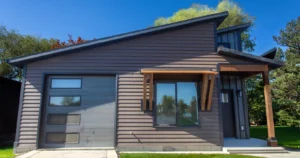
A backyard ADU works for aging parents because it gives both generations what they actually need: proximity without shared walls, independence without isolation.
Your parent has their own front door, their own kitchen, and their own routine. You’re 30 steps away, not a 20-minute drive. An emergency is manageable without leaving the property. Meals happen naturally. At the same time, neither of you is on top of the other. That breathing room is what makes this arrangement sustainable long-term rather than burning everyone out.
As care needs increase, you can layer in professional in-home support without uprooting anyone. And when the time comes that more intensive care is required, the ADU transitions smoothly into a rental or guest space.
Kit Culture ADU Models: Built for This Use Case
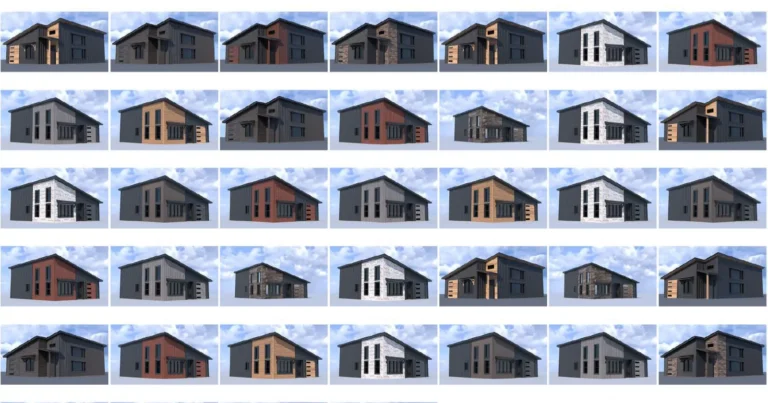
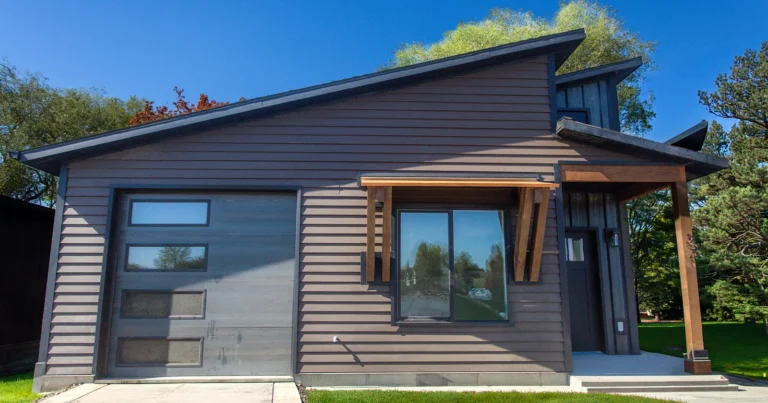
Kit Culture offers both existing home models that work well as backyard ADUs and three new ADU-specific models designed from the ground up for detached backyard placement. All kits are manufactured in Post Falls, Idaho, and include permit-ready stamped engineering drawings.
| Model | Starting Price* | Best For |
| ADU Model 1 (approx. 400 sq ft) | From $69,000 | One-bedroom or studio setup, smaller lots |
| ADU Model 2 (approx. 550 sq ft) | From $72,000 | One-bedroom with dedicated living area |
| ADU Model 3 (approx. 700 sq ft) | From $75,000 | Full one-bedroom, comfortable long-term living |
| Cottage (existing model, 799 sq ft) | From $99,500 | Larger ADU, more independence, roomier layout |
| *Kit price covers materials only and does not include contractor labor, foundation, site preparation, permits, or utility connections. Total all-in project costs vary by site and location. |
Every Kit Culture package includes Ready Frame pre-cut framing, metal roof and siding panels, Milgard windows, LG appliances, quartz countertops, a 5-zone ductless heat pump, rigid core LVP flooring, interior finishes, and permit-stamped engineering. Your contractor handles site prep, foundation, and assembly.
| The LVP flooring included in every Kit Culture home is a genuinely good fit for aging-in-place use: slip-resistant, easy to navigate with walkers, and durable. You don’t have to upgrade to get it. |
Design Features Worth Specifying Up Front
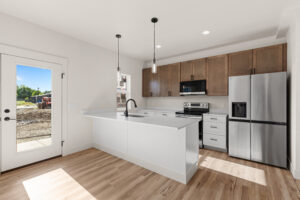
The most common mistake families make is designing for where their parent is today, not where they’ll be in five years. Adding accessibility features during construction costs very little. Retrofitting them later is expensive and disruptive.
When you work with a contractor on your Kit Culture build, ask about these items at the order and planning stage:
| Feature | Why It Matters |
| No-step entry or ramped threshold | Eliminates the most common trip hazard; required for wheelchair access |
| 36-inch doorways | Allows walker and wheelchair access; costs almost nothing at build time |
| Grab bar blocking in bathroom walls | 2×6 blocking lets bars be added anywhere later without structural work |
| Curbless shower with fold-down bench | Safer, more accessible, can accommodate a caregiver |
| Comfort-height toilet and vanity | Easier for limited hip and knee flexibility |
| Lever handles on all doors and fixtures | Much easier for arthritic hands than knobs |
| Rocker light switches | Easier to operate with reduced hand strength |
| Motion-activated hallway and bathroom lighting | Reduces fall risk; simple to plan for at rough-in stage |
Discuss these directly with your contractor during planning. Most add little to the overall project cost when specified before construction begins.
What the New Laws Make Possible
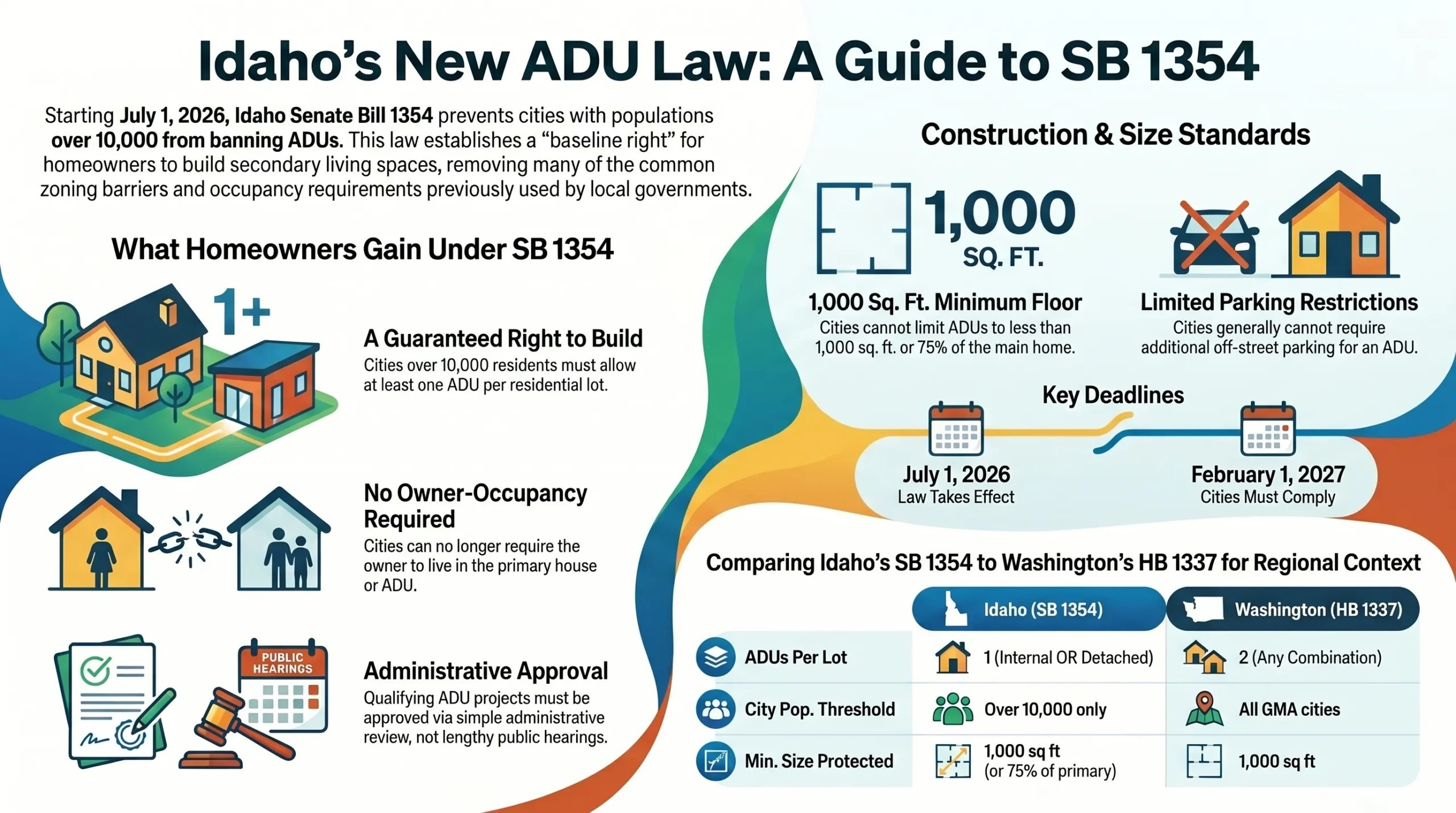
Idaho’s SB 1354, signed March 31, 2026 and effective July 1, 2026, gives homeowners in Idaho cities over 10,000 people the legal right to build a detached ADU. Cities can’t ban them, can’t require you to live on the property, and can’t impose a size cap below 1,000 square feet. Coeur d’Alene, Post Falls, Boise, Nampa, and Meridian all qualify.
Washington’s HB 1337 has been in effect since July 2023. Most residential lots in Washington’s urban growth areas can have up to two ADUs, with no owner-occupancy requirement.
| Check Your HOA First: State law protects you from local government zoning bans, but it doesn’t override HOA restrictions that existed when you bought your home. Review your CC&Rs before investing time in planning. A real estate attorney can do this quickly if you’re unsure. |
Getting It Built: What to Expect
The general path from decision to move-in looks like this:
- Confirm your property is inside city limits (mailing address and zoning jurisdiction aren’t always the same).
- Schedule a free pre-application meeting with your city planning department. Post Falls and Coeur d’Alene both offer these and they’re genuinely useful.
- Choose your Kit Culture model and work with a local licensed contractor for site prep, foundation, and assembly.
- Kit Culture ships your materials while your contractor prepares the site. Most Idaho builds go from order to move-in in 10 to 14 weeks.
For context: a comparable custom-built ADU in Idaho typically takes 9 to 18 months. If your parent’s situation could change in the next year, the timeline difference matters.
Kit Culture’s permit-ready stamped engineering simplifies structural review, which is one of the most common sources of delay in custom ADU projects.
Build and Price Your Model Online
If you’re thinking through the options for an aging parent, the best next step is to see what a Kit Culture ADU actually looks like for your situation. You can build and price your model online at kitculturehomes.com, explore floor plans, and get a clear picture of what the kit includes and what your contractor will handle from there.
Our team is based in Post Falls and works with families and contractors across Idaho and eastern Washington. Visit kitculturehomes.com to get started.