ADU rental income is the rent you collect from a second, smaller home on your lot. The question most people really have is simpler: will the rent pay for the build?
The honest answer is that it can, over years and not months, and only if you count every cost on both sides. Here’s how to run the numbers for your own lot, with no rosy assumptions.
How to estimate your ADU rental income
Start with what the unit would rent for, not what you hope it’ll rent for. Two places to look:
- Local listings. Search current long-term rentals in your zip code for one-bedroom and small two-bedroom units. A detached unit with its own entrance, laundry, and parking usually compares to a small house more than an apartment.
- HUD Fair Market Rents. HUD publishes rent figures by county and bedroom count every year. Look yours up in the HUD Fair Market Rents data as a sanity check on what the listings say.
Use the lower of the two numbers. If the math works at the cautious rent, it works.
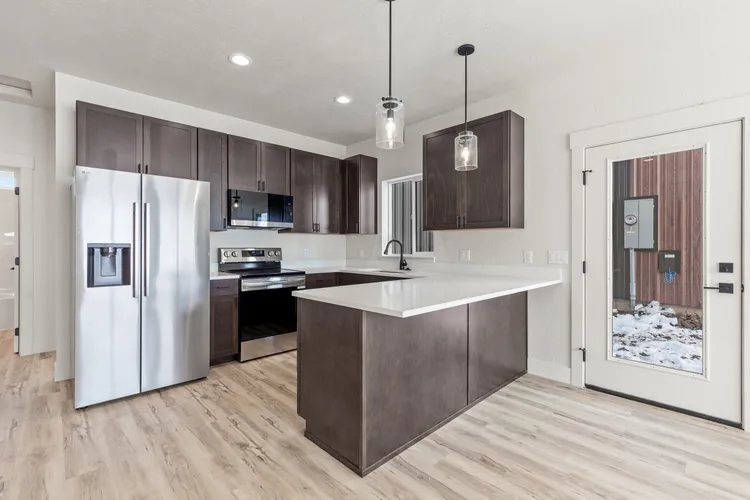
What comes out of the rent
Gross rent isn’t income. Before you call anything profit, subtract:
- The loan payment, if you financed the build. Our guide to kit home financing covers how these projects get paid for.
- Higher property taxes. A second dwelling adds assessed value to your lot.
- Insurance. Tell your insurer it’s a rental. A landlord policy isn’t the same as homeowner coverage.
- Vacancy. Budget for at least a few empty weeks between tenants.
- Maintenance and repairs. Even a new building needs a reserve.
- Utilities you cover, and management fees if you don’t want to be the one taking the calls.
- Income tax. Rent is taxable, and many of the costs above are deductible. See IRS Topic 414, Rental Income and Expenses, and talk to your tax preparer.
The payback math
Once you’ve got those figures, the math is two lines:
- Annual rent, minus annual costs, equals your net ADU rental income.
- Total project cost, divided by that net income, equals your payback in years.
The number people get wrong is the total project cost. Kit Culture’s three kits are priced at $99,500, $115,000, and $145,000, but the kit is one line item. Site work, foundation, utility connections, permits, and trade labor sit on top. Our breakdown of the total cost of a kit home shows what belongs in that figure, and site conditions usually move it more than the model does.
Payback isn’t the whole picture, either. A permitted, foundation-built ADU is real property, so it adds to what your lot is worth whether or not it’s rented.
Rules that change the numbers
Both states now make an ADU easier to permit. We’ve covered Idaho’s ADU law, SB 1354, and the Washington ADU law. Before you count on rent, ask your city three things:
- Are short-term rentals allowed in an ADU, or long-term only?
- Is there an owner-occupancy rule for the main house?
- What’s the maximum size, and does it change the bedroom count you can build?
Short-term rental rules are the big one. If your plan depends on nightly stays and your city doesn’t allow them, the whole spreadsheet changes.
ADU rental income FAQ
Is ADU rental income taxable?
Yes. You report the rent, and you can generally deduct the expenses tied to the rental. A tax preparer can tell you how depreciation applies to your build.
Long-term or short-term rental?
Long-term is steadier and allowed in more places. Short-term can bring in more per night, but it comes with more work, more vacancy, and more local rules. Check what your city allows first.
What if I rent to family?
Plenty of owners do. Charging a relative below-market rent changes the tax treatment, so read our guide to an ADU for adult children and ask your tax preparer before you set the number.
The bottom line
ADU rental income can pay back a backyard kit home, but the timeline depends on your local rent, your full project cost, and your city’s rental rules. Run the math at a cautious rent with every cost included. If it still works, you’ve got a real plan.
If you’d like help pricing the build side for a lot in Idaho or eastern Washington, give us a call.