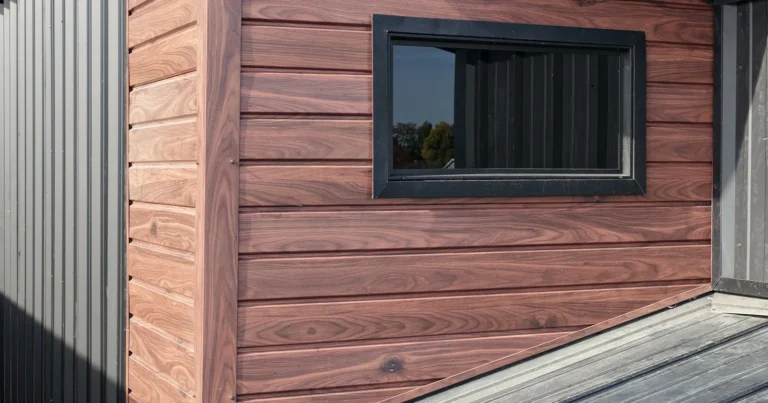
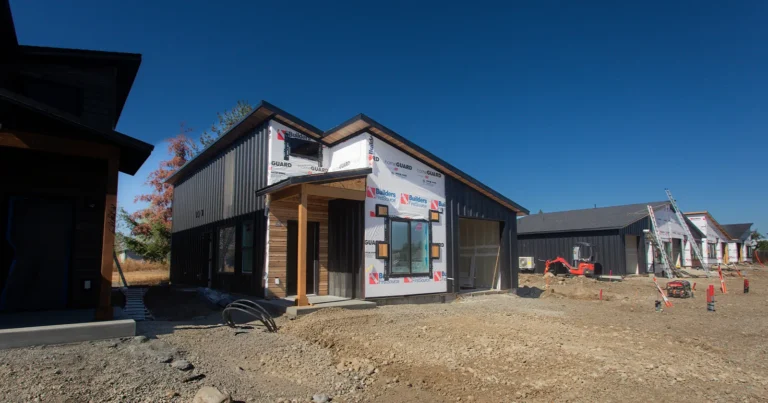
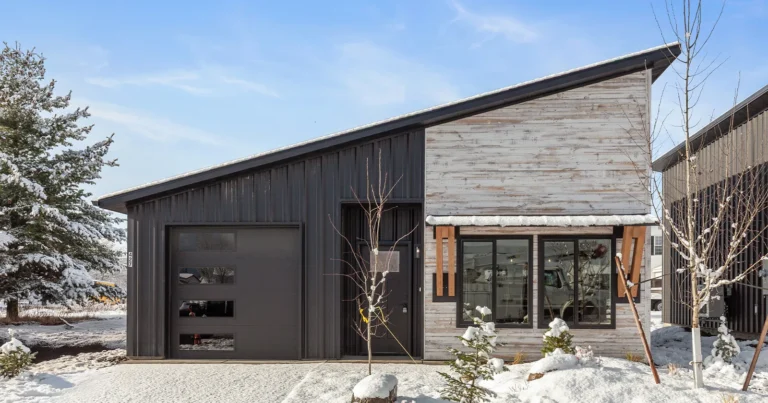
If you’re looking at build a house kits, the first real question isn’t “which one is cheapest,” it’s “which one fits your lot, your budget, and how much of the work you actually want to do.” A house kit is a package of precut, engineered parts with stamped plans that ships to your site and goes together on a permanent foundation. Pick the right one and the build is fast and predictable. Pick the wrong one and you’re fighting your site or your skills the whole way.
Here’s how to match a kit to your situation before you commit.
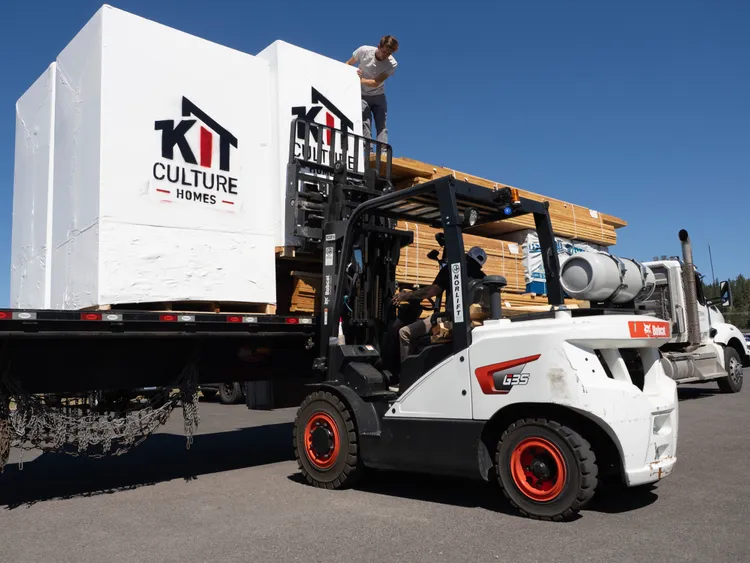
Start with the lot, not the floor plan
It’s tempting to fall for a design first, but the lot decides more than the catalog does. Slope, access for a delivery truck, soil, setbacks, and utility distance all shape which kit works and what the site prep will cost. A compact single-story kit suits a tight infill lot; a two-story makes sense when the footprint is limited but you need the square footage.
Whatever the design, the foundation and site work come first and sit outside the kit price. Our guide to kit home foundations and site prep walks through what has to be ready before the truck shows up.
Match the kit to your budget honestly
The kit price covers the shell: precut framing, engineered components, and plans. It doesn’t cover the foundation, trades, utility hookups, or finishes. So when you compare build a house kits, compare the whole delivered-and-standing number, not the sticker. If you want a clear-eyed look at where money goes, what you pay beyond the kit breaks down the costs that aren’t in the box.
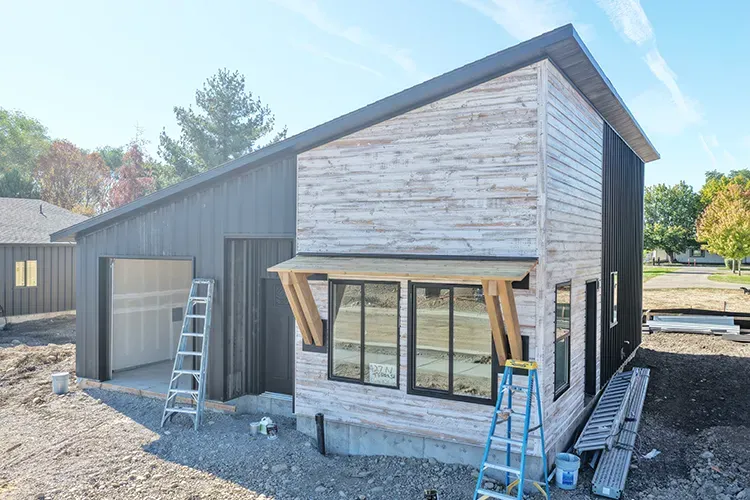
Match the kit to your skills
This is where people over- or under-estimate themselves. A precut kit removes the hardest, slowest part of framing, so a capable owner-builder can genuinely take on more than they’d expect. But wiring, plumbing, gas, and final inspections go to licensed trades no matter how handy you are. Before you assume you’ll do it all yourself, read our honest take on what you can DIY and what you can’t so the labor plan is realistic.
If you’re new to the whole idea, what a kit home is is the plain-English starting point that explains how the pieces fit together.
FAQ
Are build a house kits good for first-time builders?
Yes, with the right support. The precut package and stamped plans take a lot of guesswork out, which is why kits suit first-timers, but you’ll still want a contractor or experienced help for the trades and inspections.
How long does it take to build a house from a kit?
The shell goes up fast because the parts are precut and labeled. Total time depends on site prep, trades, and finishing, so the schedule is driven by everything around the kit as much as the kit itself.
Can I build a house kit in Idaho or Washington?
Yes. Kit Culture homes are built on permanent foundations across Idaho and eastern Washington, meeting local code from Boise to the Coeur d’Alene and Spokane areas.
The bottom line
The best of the build a house kits isn’t the cheapest one, it’s the one that matches your lot, your real budget, and the amount of work you want to own. Start with the site, price the whole standing house, and be honest about the trades. Get those three right and the kit does exactly what it’s supposed to. If you’d like help matching a kit to your lot, give us a call.