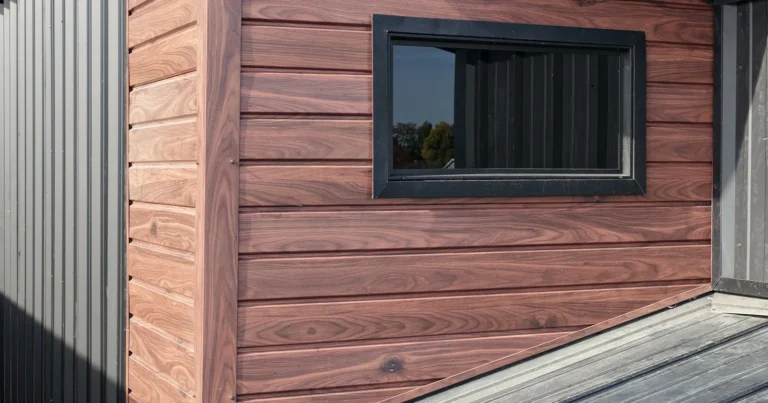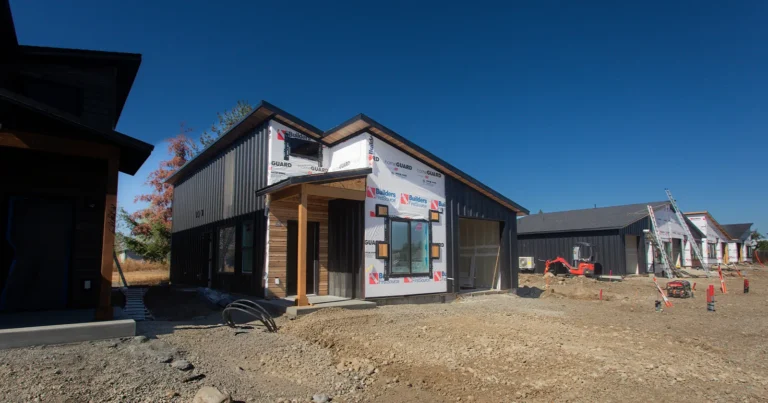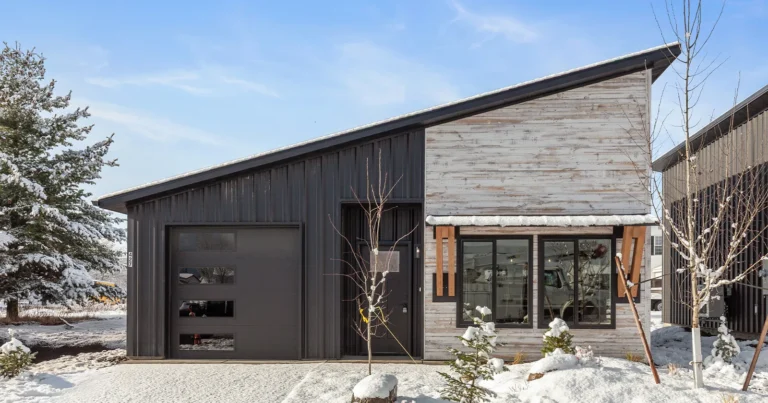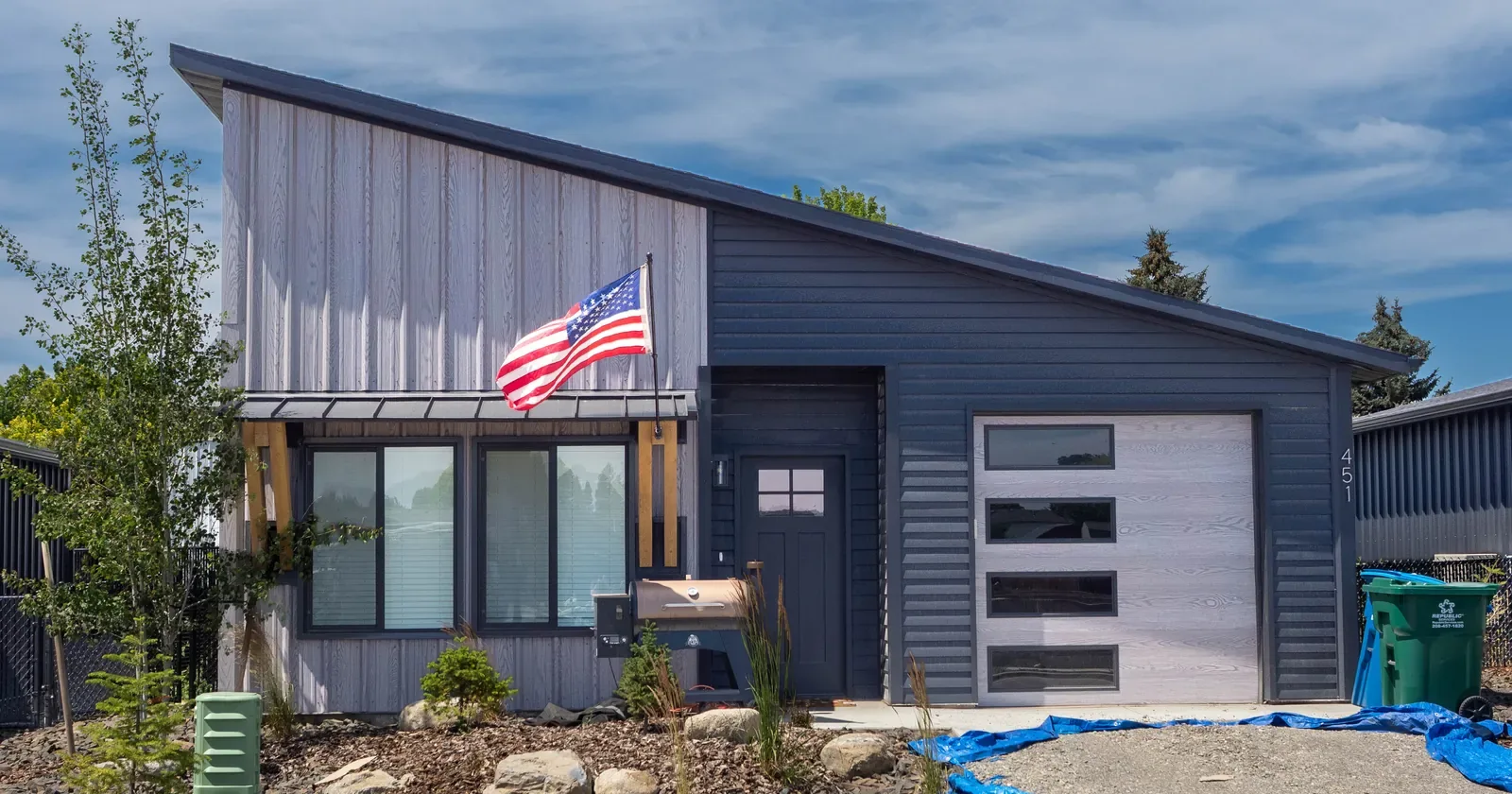
Here’s the problem with turnkey prefab homes: nobody agrees on what the word means. It isn’t a regulated term. Two companies can both advertise a turnkey home and hand you quotes that cover completely different things.
So the honest answer is that you can’t judge a turnkey offer by the label. You have to read the scope. Below is what the word usually covers, what it almost never covers, and the questions that tell you which kind of quote you’re holding.
What turnkey usually means, and what it never includes
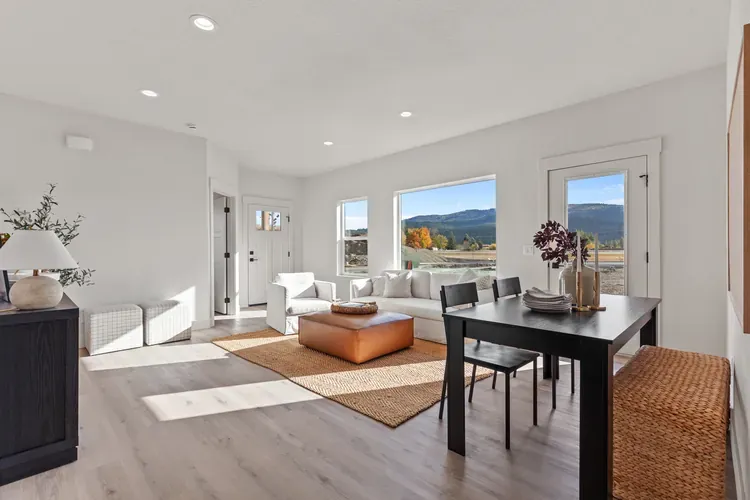
At its broadest, turnkey means you get a finished home you can move into, with one company coordinating the work. In practice most quotes sit somewhere on a spectrum.
Commonly included:
-
The structure itself, delivered and assembled
-
Roofing, windows, exterior finish
-
Mechanical rough-in, drywall, interior finishes
-
Coordination of the trades and inspections
Commonly excluded, or quoted separately:
-
Land. No turnkey package includes your lot.
-
Site work. Grading, access, utility runs and the foundation are usually their own line, because they depend entirely on your lot.
-
Permits and fees. Sometimes included, often not, and they vary by jurisdiction.
-
Appliances, landscaping, decks, driveways, window coverings. These are where “finished” quietly stops.
That second list is where budgets break. A quote that looks lower than a competitor’s is often just drawing the line earlier.
Turnkey prefab homes vs. a kit you finish yourself
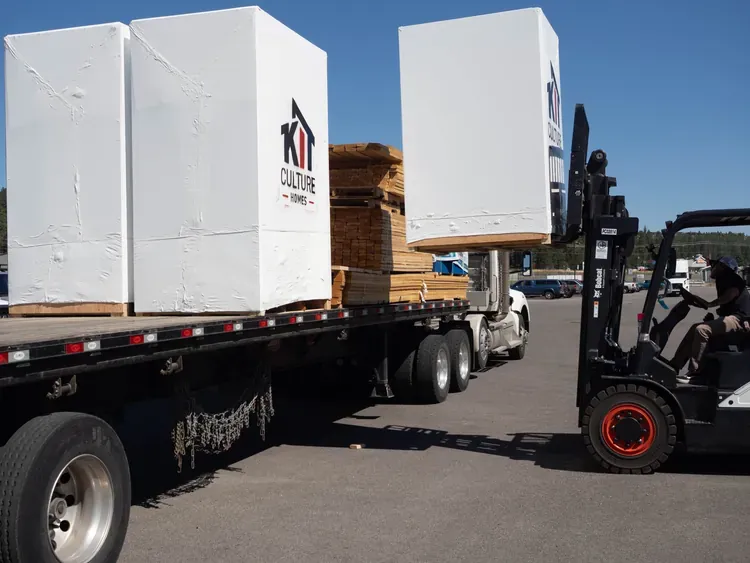
A kit and a turnkey package aren’t different products so much as different amounts of the work handed off. With a kit, the precut package arrives and you or your contractor take it from there. You can read how that side works in our piece on how kit homes are packed and delivered.
The tradeoff is straightforward. Turnkey buys you a single point of accountability and less of your own time. A kit buys you control over who does the finish work and where you spend. Neither is the right answer for everyone, and it mostly comes down to how much of your own labor and project management you want to put in. Our guide to what you can build yourself is a decent gut check.
Worth clearing up while you’re comparing: turnkey isn’t the same as modular or manufactured, even though the words get used loosely. We’ve untangled that in kit homes vs. modular vs. prefab.
How to read a turnkey quote
Ask these five, in writing, and the quotes become comparable:
-
Where does your scope stop? Name the last thing you do and the first thing I do.
-
Is site work in or out? If out, what’s your allowance, and what happens if my lot needs more? This is the biggest swing factor, and our write-up on foundation and site prep explains why.
-
Who pulls permits, and are the fees in this number? Your local code will be a version of a model code from the International Code Council, with amendments, so requirements differ by city.
-
What finish level is quoted? Get the spec, not adjectives. Flooring, counters, cabinets, fixtures.
-
What’s the allowance structure? Allowances are where a fixed price stops being fixed.
For the full picture of what lands outside the package either way, see what a prefab home kit price does and doesn’t cover and our realistic budget guide for building with a contractor.
When turnkey is worth it
Turnkey earns its premium when your time is worth more than the savings, when you’re building remotely and can’t be on site, or when financing requires a single contracted party. Lenders often prefer one responsible builder, and if you’re working out how to fund the build, the Consumer Financial Protection Bureau’s home buying resources are a sane starting point.
It’s the wrong call when you’ve got real construction skills, a contractor you already trust, or a lot with unknowns that make a fixed price impossible to quote honestly. In that last case a turnkey number is either padded or it’s going to move.
Turnkey prefab homes FAQ
Is turnkey more expensive than a kit?
Usually, because you’re buying labor and coordination you’d otherwise supply. Whether it’s more expensive in total depends on what your own time is worth and how much you’d have hired out anyway.
Does turnkey include the land?
No. Land is always yours to bring, and it’s the single most common misread of the word.
Can I start turnkey and finish parts myself?
Often, yes. Plenty of buyers have the shell and mechanicals done under contract and take on painting, flooring and landscaping. Ask early, because it changes the contract structure, not just the price.
The bottom line
Turnkey prefab homes are a scope, not a product. The word tells you nothing on its own, so make every quote spell out where its responsibility ends and yours begins, and compare those lines rather than the totals.
If you want to know exactly where our line sits and what your lot would need, give us a call. We’ll walk you through it without a pitch.