When you search for accessory dwelling unit builders near me, you’ll get a mix of general contractors who’ve built one or two, specialty ADU firms, and kit companies like us. They’re not the same kind of business, and the right choice depends less on who ranks highest and more on which parts of the job you want handled for you.
Here’s how to sort through them, what to ask on the first call, and the warning signs worth walking away from.
The three kinds of builder you’ll find
A general contractor builds whatever comes through the door. Plenty are excellent, and a good one who’s worked in your city knows the inspectors by name. The tradeoff is that an ADU may be an occasional job rather than a specialty, so the learning curve on local ADU-specific rules can land on your project.
A dedicated ADU builder does this all day. They know the size caps and setback rules cold, and they usually offer a design-to-permit-to-build package. You’re paying for that fluency, which is often worth it.
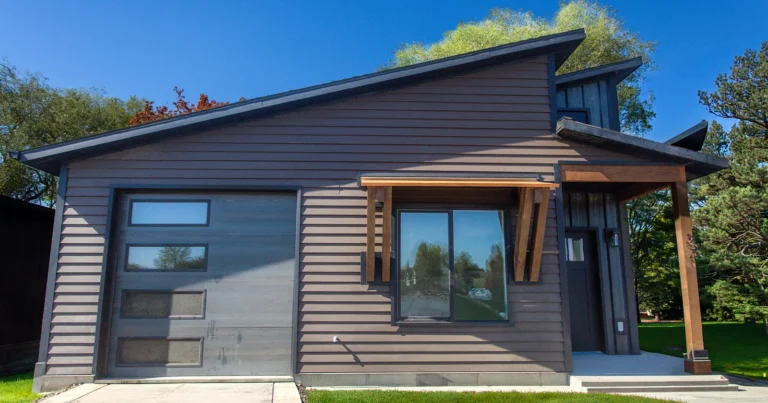
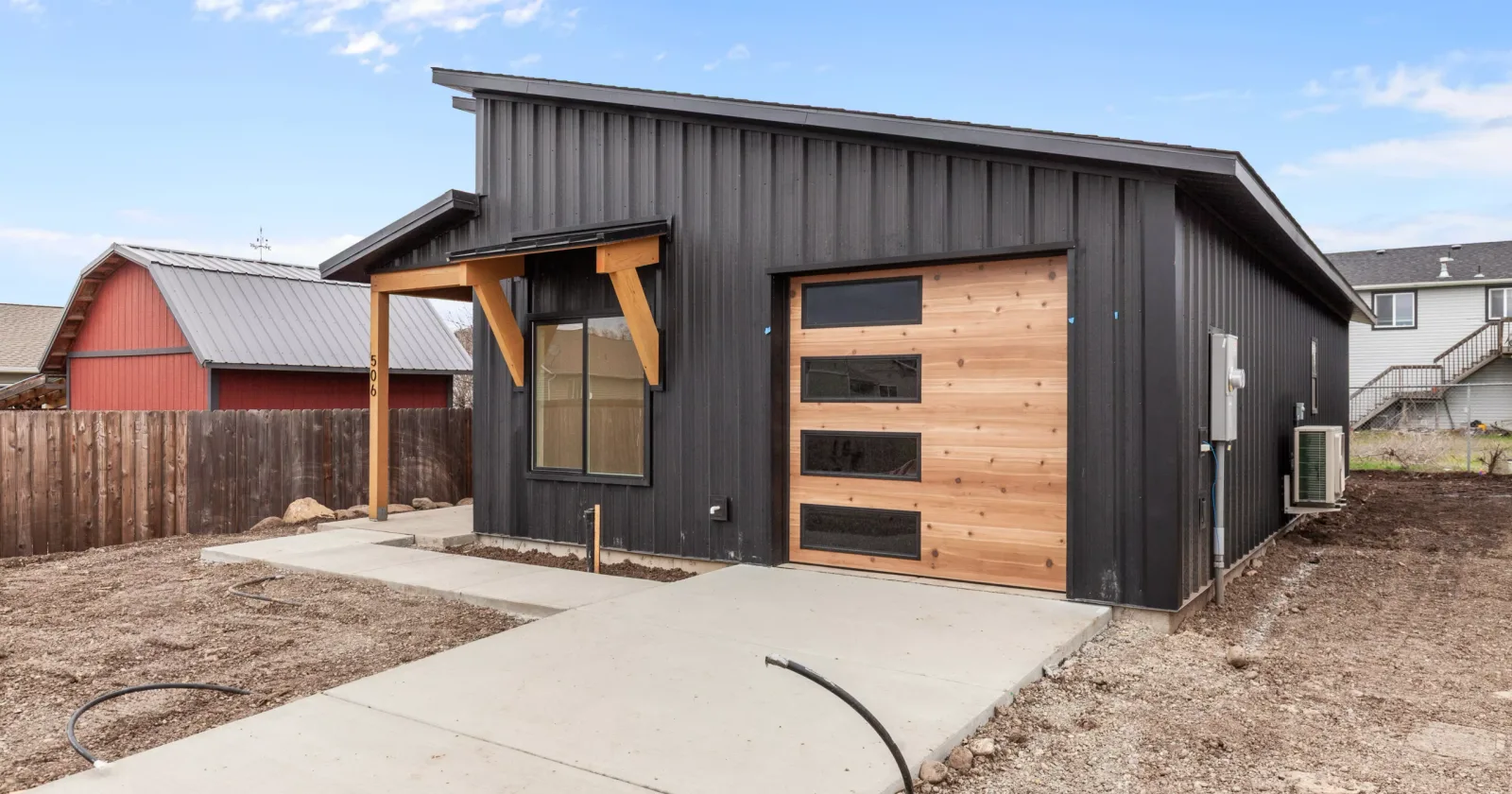
A kit company supplies the engineered structure and hands assembly to a local crew, which may be yours or one we point you toward. You’re getting a predictable building package and keeping the labor local. Our approach to the structure itself is laid out in how we build and why it lasts.
None of these is automatically the right answer. A homeowner with a good contractor already in hand needs something very different from someone starting cold.
What to ask on the first call
Most of what separates a good builder from a painful one shows up in the first twenty minutes if you ask directly.
- How many ADUs have you completed in my city specifically, not just in the region?
- Are you licensed and bonded here, and can I see current proof?
- Who pulls the permits, you or me?
- What’s included in your number, and what shows up later as a change order?
- What’s your schedule of payments tied to, milestones or dates?
- Who’s on site day to day, your crew or subcontractors?
- Can I talk to two homeowners you finished for in the last year?
That last one carries more weight than any portfolio page. Photos show finished work. A phone call tells you what happened when something went wrong, and something always does.
Local code knowledge is the real differentiator
ADU rules in the Inland Northwest have changed recently, and they vary between towns that are fifteen minutes apart. Setbacks, height limits, parking requirements, owner-occupancy rules, and maximum size are all local decisions layered on top of state law.
Idaho’s statewide picture is in our guide to building an ADU in Idaho, and Washington’s current framework is covered in the 2026 Washington ADU law guide. A builder who works in Spokane, Spokane Valley, Liberty Lake, Coeur d’Alene, Post Falls, or Boise should be able to tell you your city’s rules from memory. If they wave at the question and say they’ll look into it, that’s useful information about how the rest of the project will go.
Snow and wind loads matter here too. Anything going up in this climate has to be engineered for it, and the International Code Council is where the model codes your jurisdiction adapts come from.
Red flags
A few things should slow you down regardless of how good the price looks.
A large deposit up front. Some money down is normal. A big share of the total before anything’s ordered isn’t.
A verbal scope. If it isn’t written down and itemized, it isn’t included, whatever anyone remembers being said.
No written change-order process. Changes happen on every build. What matters is whether there’s an agreed way to price and approve them before work continues.
Pressure to skip permits. Walk away. An unpermitted ADU is a problem that surfaces at resale, at refinance, and with your insurer, and it lands on you rather than on the builder who suggested it.
A quote that’s far below the others. It’s usually a different scope wearing the same title, not a better deal.
How buying a kit changes the equation
If you go the kit route, you’re splitting the job in two. The structure is engineered, cut, and delivered as a package, so that piece is priced and specified before anyone breaks ground. The local crew handles foundation, assembly, utilities, and finish.
That split narrows what you’re vetting a builder for. You’re no longer asking them to source and engineer a building. You’re asking whether they can assemble a supplied package well and manage a site. Plenty of capable local contractors who’d be a stretch on a full custom ADU do this comfortably. The timeline difference is covered in our comparison of kit and traditional ADU build speed.
Common questions
Should I hire a designer before I contact accessory dwelling unit builders near me?
Not necessarily. Many builders and kit companies include design or work from existing plans, and commissioning custom drawings first can lock you into something your city won’t approve. Confirm what’s allowed on your lot before you pay anyone to draw it.
How do I budget when quotes vary so much?
Compare scope, not totals, and get every quote itemized to the same categories. Our realistic budget guide breaks the project into the pieces worth pricing separately.
Can I act as my own general contractor?
In some jurisdictions yes, in others a licensed contractor has to pull the permits. It’s a real option for people with construction experience and free time, and a hard road for everyone else.
What if I haven’t chosen a unit yet?
That’s fine, and arguably the right order. Understanding what’s on the market and what’s included makes the builder conversation much more concrete.
The bottom line
The best accessory dwelling unit builders near you are the ones who know your city’s rules without looking them up, put their scope in writing, and can hand you recent local references. Price matters, but scope clarity matters more, because that’s where the surprises live.
If you’re gathering quotes and want help reading them, give us a call. We’re glad to talk through what you’re seeing, whether or not our kit ends up being the right fit.