Washington’s ADU law changes mean most homeowners now have a real, protected right to build a second home on their property. If you live inside a Washington city, you can likely add up to two accessory dwelling units. If you’re on rural land outside city limits, a newer law just opened up a path for one detached ADU too. This guide breaks down what both laws say, who they cover, and what you can actually build.
| Quick Note: This Isn’t Legal Advice
We’ve written this in plain language so it’s actually useful, but it’s general information, not legal advice. Rules vary by city and county, and they can change. Check with your local planning department before you start a project. |
What’s an ADU, Anyway?
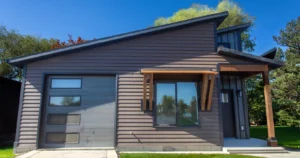
An accessory dwelling unit, or ADU, is a second living space on the same lot as your main home. It’s got its own kitchen, bathroom, and entrance, and it works fully on its own. You’ve probably heard them called backyard cottages, granny flats, in-law suites, or guest houses.
An ADU can be attached to your home, like a basement apartment or a converted garage. Or it can be detached, a separate building in your backyard. Detached units are what most homeowners want, and they’re the focus of this guide.
For years, plenty of Washington cities made detached ADUs hard or impossible to build. Some required you to live on-site. Others banned them outright. Two state laws changed that.
The Two Washington ADU Laws You Need to Know
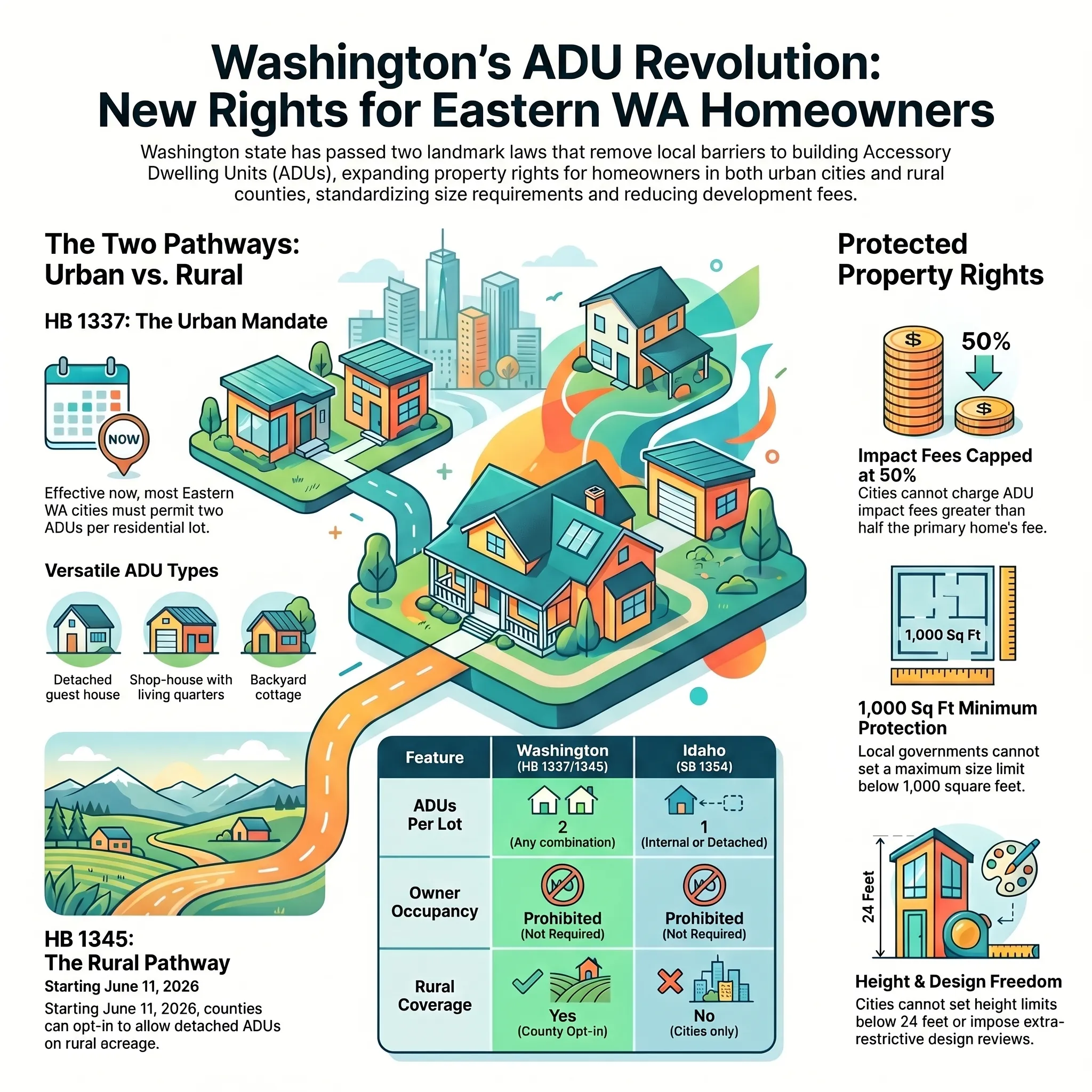
Washington didn’t pass one ADU law. It passed two, a few years apart, and they cover different territory.
HB 1337 (2023): Two ADUs Per Lot in Cities
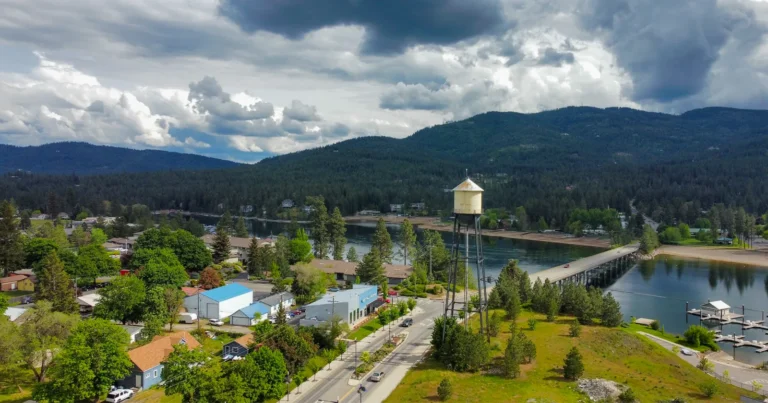
HB 1337 was signed back in 2023 and took effect July 23, 2023. It applies to every city and county that plans under Washington’s Growth Management Act, which covers all incorporated cities in the state. If you live in Spokane, Spokane Valley, Kennewick, Richland, Pasco, or basically any other Washington city, this law applies to you.
What it does: Cities have to allow at least two ADUs per residential lot, on top of your main home. You can mix and match, attached, detached, or both. Cities can’t ban this.
Compliance deadline: Most eastern Washington cities, including Spokane, had to comply by June 30, 2025. That date’s already passed. If your city still has an old ordinance banning detached ADUs on the books, that ordinance no longer holds up. State law overrides it.
HB 1345 (2026): A New Path for Rural Land
HB 1345 is brand new. It was signed March 27, 2026, and takes effect June 11, 2026. This one matters most if you own rural acreage outside city limits, land that HB 1337 never covered.
HB 1345 lets counties that fully plan under the Growth Management Act allow one detached ADU per rural parcel. The catch is that county participation is voluntary. Your county has to opt in. Once it does, rural landowners get a real path to a detached ADU for the first time.
What to know if you’re rural: a rural detached ADU tops out at 1,296 square feet, has to sit within 150 feet of your main home, and shares your existing driveway. It can’t be used as a short-term rental, and your water source has to meet state requirements. Lots with critical area designations or certain watershed protections aren’t eligible.
| Is Your County Opting In?
HB 1345 only applies if your county chooses to participate. Reach out to your county planning department directly to find out where they stand and when they expect to update their rules. |
What Cities Can’t Do Anymore
Both laws set a floor. Local governments can’t go below it. Here’s what’s off the table for cities covered by HB 1337:
- Require you to live on the property, in the main house or the ADU
- Charge ADU impact fees higher than 50% of what they charge your primary home
- Set height limits below 24 feet (unless your main home is shorter than that)
- Apply stricter setbacks, lot coverage limits, or design rules to your ADU than they apply to a regular house
- Require off-street parking for ADUs within half a mile of a major transit stop
- Block you from selling your ADU separately as a condo unit
Cities also can’t require your ADU to be smaller than 1,000 square feet. That’s a floor, not a ceiling. Your ADU just can’t be bigger than your main home.
What Cities Can Still Control
These laws don’t wipe out all local authority. Cities and counties can still:
- Restrict short-term rentals like Airbnb or VRBO
- Apply standard building, health, and safety codes
- Decline ADU permits on properties without public sewer access
- Enforce regulations in critical areas, like wetlands or steep slopes
| On Septic Systems
If your property runs on private septic instead of public sewer, HB 1337’s mandate doesn’t automatically apply to you. Confirm your sewer connection before assuming you’re covered. |
What This Means If You’re in Spokane or Eastern Washington
Spokane is a Growth Management Act city, so HB 1337 applies in full. The city’s compliance deadline already passed, which means you should be able to get two ADUs approved on a qualifying lot as a matter of right.
If you’re outside Spokane’s city limits in unincorporated Spokane County, your ADU rights depend on whether the county opts into HB 1345. Reach out to Spokane County Planning and Building to check the current status.
Kennewick, Richland, and Pasco are all incorporated cities too, so HB 1337 covers all three. Same protections apply: two ADUs per lot, no owner-occupancy requirement, and impact fees capped at half what they charge your main home. For rural Benton and Franklin County land, it again comes down to whether the county opts into HB 1345.
Some City Specific Guides: Spokane ADU Permit Guide (2026) • Spokane Valley ADU Rules (2026) • Liberty Lake ADU Law 2026
Can Your HOA Stop You?
If your HOA formed after July 23, 2023, it can’t adopt rules that restrict ADU construction. That protection is built directly into HB 1337.
If your HOA is older than that, existing CC&Rs may still hold up. Before you start planning, read through your HOA’s covenants carefully, or talk to a real estate attorney if anything’s unclear.
So What Can You Actually Build?

The law creates the right. The next question is what makes sense for your land. Here’s what most Washington homeowners end up building.
A Standalone Backyard Cottage
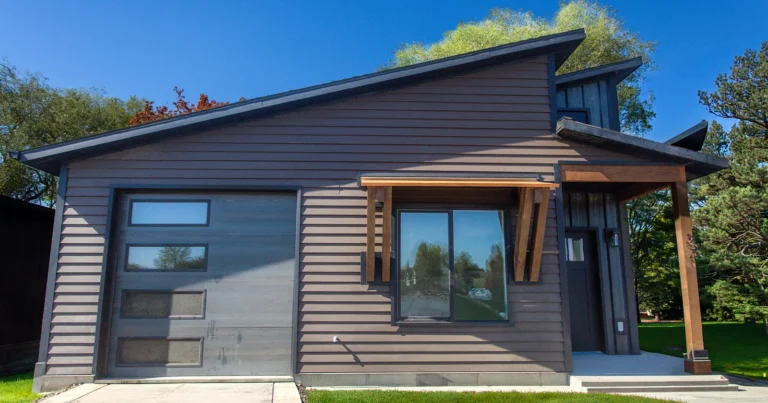
A fully separate structure with its own entrance, kitchen, bathroom, and bedroom. It’s the simplest option and one of the most flexible: rental income, space for family, or a true guest house. Most run 400 to 1,000 square feet.
A Garage or Shop With Living Quarters
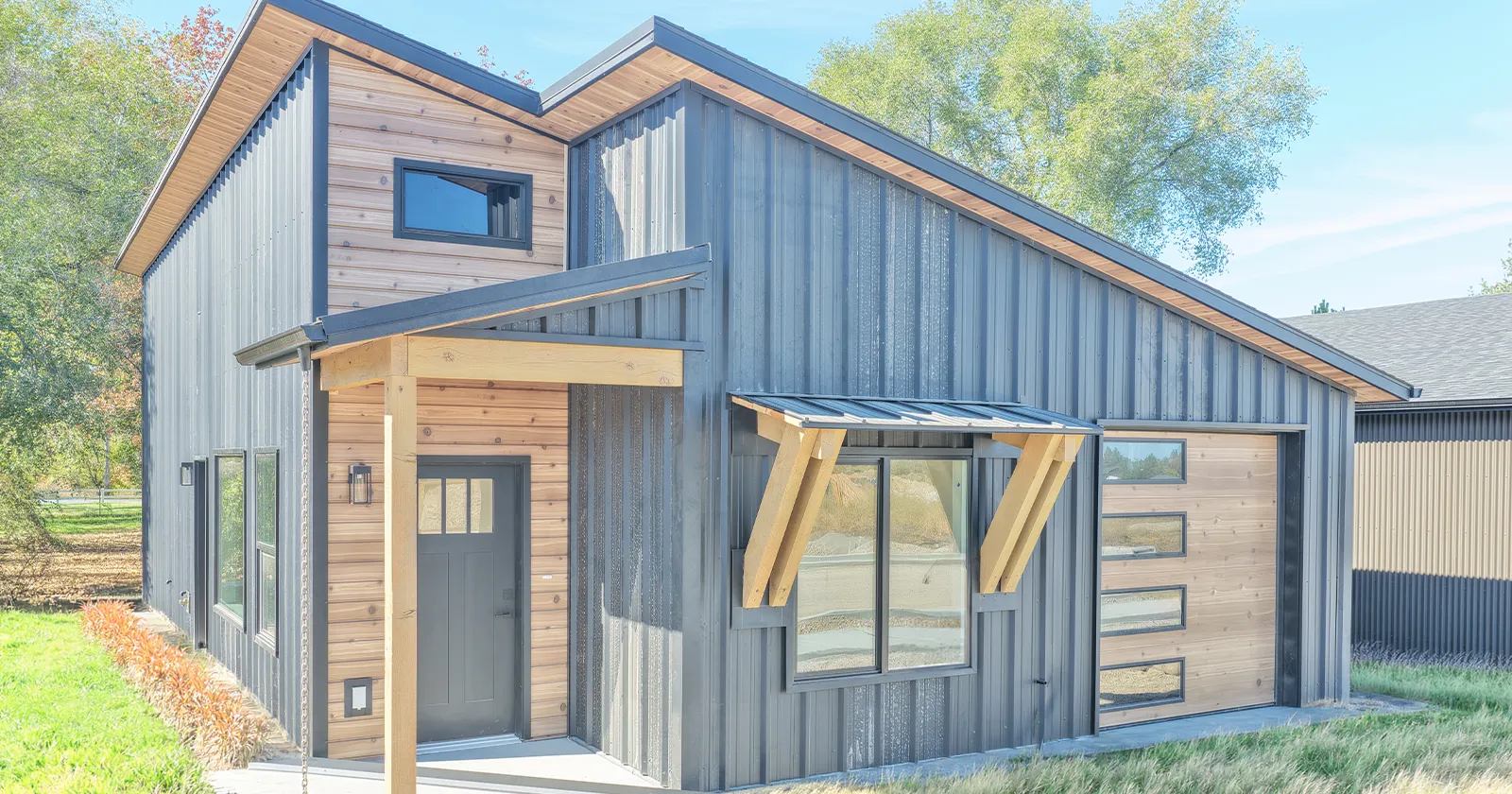
One building, two purposes. Garage or shop space on one side, finished living space on the other. Great if you’ve already got equipment or vehicles to store and want a rental or guest unit in the same footprint.
A Detached Unit for Family
A separate backyard structure built specifically for an aging parent or adult kid who wants their own space but also wants to be close by. This is one of the most common reasons people build an ADU in the first place.
Here’s Where Kit Culture Comes In
Washington’s ADU laws open the door. Kit Culture helps you walk through it fast and without the usual construction headaches.
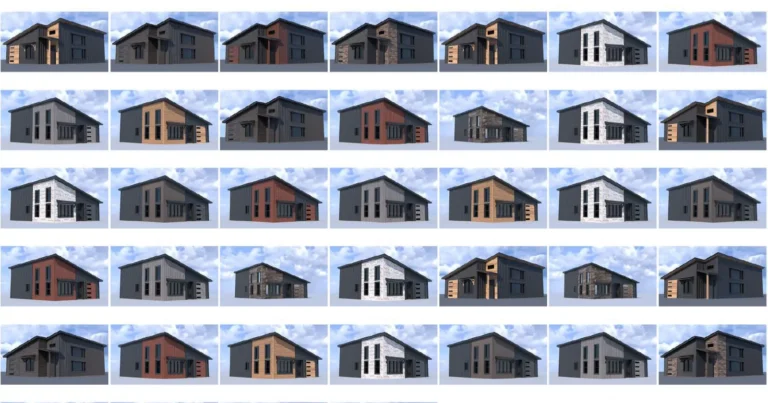
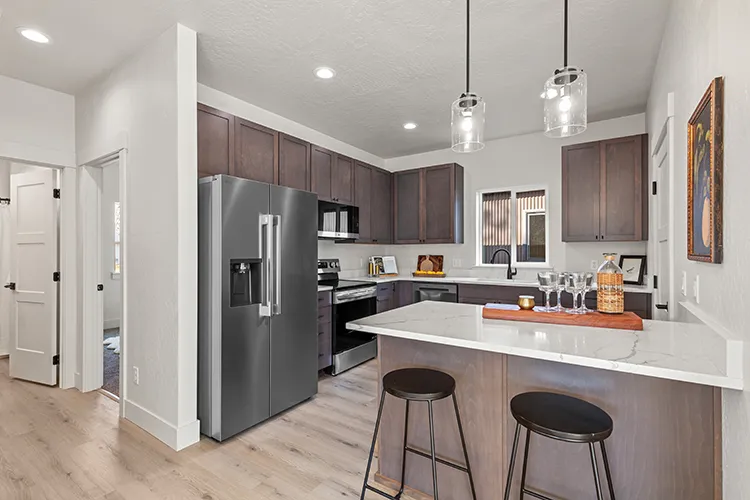
Kit Culture sells complete kit homes that qualify as ADUs under Washington’s new rules. Every kit ships on a single truck and arrives permit-ready, with pre-cut framing and engineered drawings already stamped for your project. It includes premium finishes too: LG appliances, quartz countertops, Milgard windows, a five-zone ductless heat pump, LVP flooring, and a metal roof and siding system built to last. To learn more about how kit homes work in general, check out our guide on what is a kit home.
Kit Culture homes are also fast. Most are weather-tight within days of delivery and fully move-in ready in under 90 days. Compare that to 9 to 18 months for a custom build through a traditional contractor.
| Kit Culture ADU Models Launching This Year
We’re developing three ADU-specific models built for detached backyard placement, starting between $69,000 and $75,000. Made to qualify as ADUs in Idaho and Washington, shipped permit-ready, and priced well below traditional custom construction. |
Curious how a kit-built ADU stacks up against a traditional build on timeline? Take a look at how fast you can build an ADU with a kit vs. traditional construction. And if you’re weighing an ADU as a space for an aging parent or family member, we cover that in detail in our guide to ADUs for aging parents in Idaho and Washington.
If you’re on the Idaho side of the state line, or just want a comparison, we’ve also broken down Idaho’s new ADU law in detail. Idaho’s SB 1354 works differently than Washington’s rules, so it’s worth a look if you own property in both states.
Read more: Idaho’s New ADU Law (SB 1354)
| Ready to See What’s Possible on Your Property?
Kit Culture is built for the Idaho and eastern Washington market. If you’re ready to explore your ADU options, we’d love to talk through what would work on your lot and budget. Get started at kitculture.com/order. |
Frequently Asked Questions
Does the new Washington ADU law apply to my property?
If you’re inside an incorporated city, yes. HB 1337 applies to every Washington city planning under the Growth Management Act. If you’re on rural land outside city limits, it depends on whether your county opts into HB 1345.
How many ADUs can I have?
Up to two, if you’re in a city. HB 1337 protects two ADUs per residential lot in any mix of attached and detached. On rural land covered by HB 1345, the limit is one detached ADU per parcel.
Do I still need a building permit?
Yes. These laws give you the right to build, but they don’t remove the permitting process. You’ll still need a standard building permit, engineer-stamped plans, and inspections.
Can I rent out my ADU?
You can rent it long-term. Neither law requires you to live on the property. Short-term rentals like Airbnb are a different story. Cities can still restrict those, so check your local ordinance first.
How big can my ADU be?
In a city, your ADU can’t be required to be smaller than 1,000 square feet, and it can’t be bigger than your main home. On rural land under HB 1345, the cap is 1,296 square feet.
My property is on septic. Am I covered?
Not automatically. HB 1337’s mandate applies to properties connected to public sewer. You may still be able to build, but it depends on your septic system’s capacity and your local jurisdiction’s approval. Check with your county health department.
Can my HOA block my ADU?
If your HOA formed after July 23, 2023, no, it can’t adopt restrictions. If it’s older than that, existing CC&Rs may still apply. Review your covenants or talk to a real estate attorney if you’re not sure.
How much does a Kit Culture ADU cost?
Our ADU-specific models are launching this year starting between $69,000 and $75,000. That’s well below the typical cost of a custom-built detached ADU through a traditional contractor. Get started here to learn more or get on the list for early pricing.